
Top 100 Courses - UK & Ireland
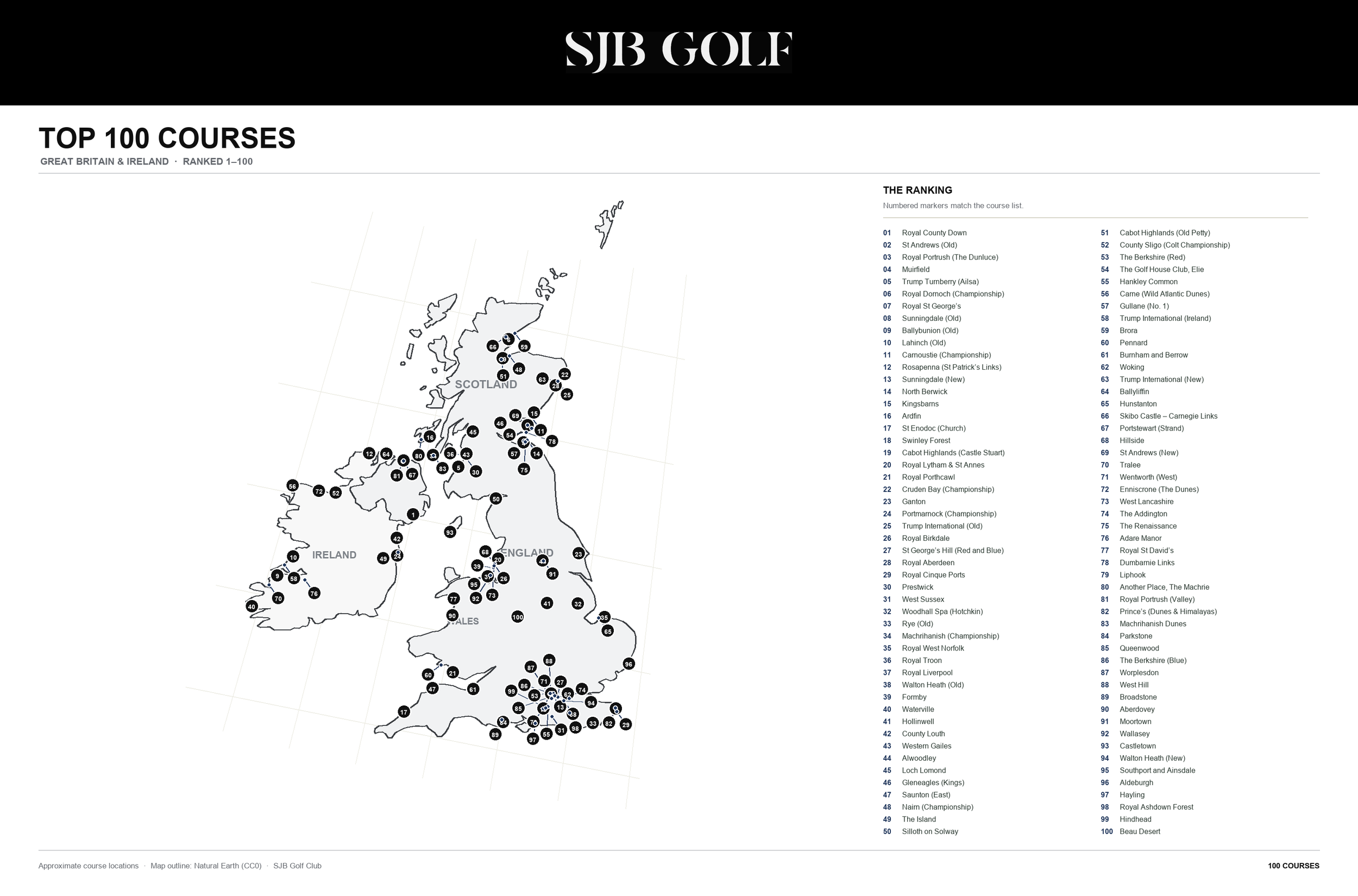
The SJB Golf Club Top 100 Courses in Great Britain & Ireland celebrates the finest golf courses across England, Scotland, Wales, Northern Ireland and the Republic of Ireland, from world-renowned championship venues to hidden gems that deserve greater recognition. The ranking is shaped around quality, atmosphere and the experience of playing each course, looking beyond reputation alone. Every course must earn its place through its design, conditioning, character and the lasting impression it leaves on those who play it.
Our aim is to create a ranking that feels considered, independent and genuinely useful to golfers. Great Britain & Ireland is home to an extraordinary variety of golf, from rugged coastal links and classic heathland layouts to beautiful parkland courses and dramatic championship venues. This list aims to capture that diversity, celebrating courses that offer something special rather than simply following familiar names or established reputations. Some stand out for their rich history and championship pedigree, while others impress through outstanding architecture, breathtaking surroundings or the quality of the golfing experience they deliver.
A truly great golf course should offer far more than a beautiful setting. It should challenge every aspect of the game, reward thoughtful strategy and provide a memorable test from the first tee to the final green. Whether it is the creativity demanded by links golf, the precision required on tree-lined fairways, the influence of natural terrain or the subtle brilliance of classic course design, the best layouts possess a character that makes them distinctive and keeps golfers wanting to return.
Ultimately, the SJB Golf Club Top 100 is a celebration of the exceptional golf available across Great Britain & Ireland. It is a ranking for golfers who appreciate outstanding courses, thoughtful architecture and unforgettable rounds, as well as those looking to discover new favourites and plan their next golfing adventure. From iconic championship destinations to lesser-known treasures, our list recognises the courses that make this part of the world one of the most remarkable places to play golf.
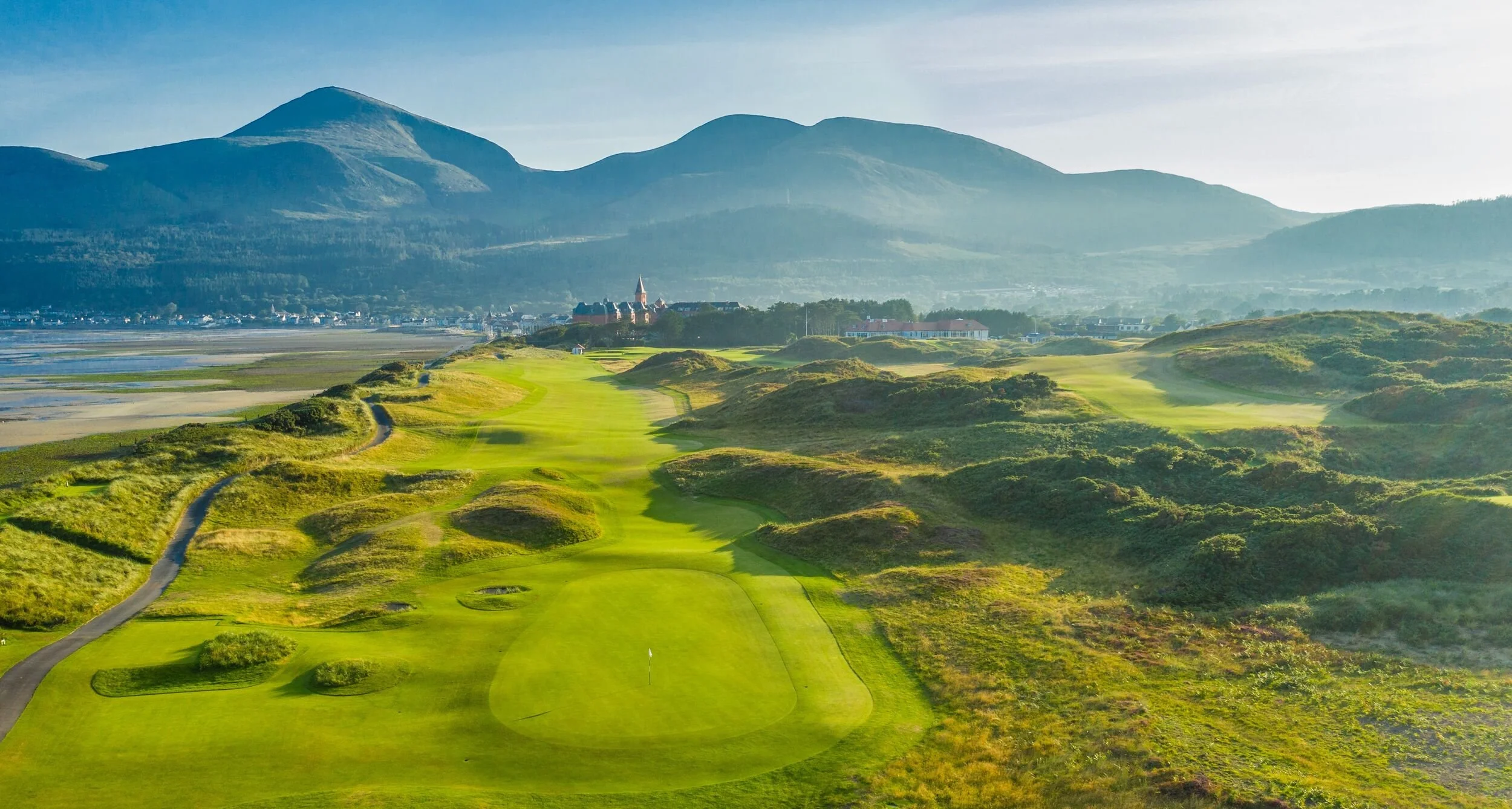
1) Royal County Down
Royal County Down Golf Club is widely regarded as one of the finest golf courses in the world, offering a remarkable blend of natural beauty, strategic brilliance and uncompromising links golf. Founded in 1889, the Championship Links sits beneath the dramatic Mourne Mountains on the shores of Dundrum Bay, creating one of the most spectacular settings in the game. Its reputation has been built on a course that feels entirely shaped by the landscape, where every hole presents a fresh challenge and no two rounds ever feel quite the same.
The challenge is defined by narrow ribbons of fairway winding between towering dunes, thick heather and the course’s distinctive, bearded bunkers. Blind tee shots, undulating lies and fast, often domed greens demand imagination, precision and a willingness to adapt. The legendary ninth hole is a particular highlight, with its dramatic elevated position and sweeping views, while the surrounding landscape makes virtually every hole feel like a postcard. At Royal County Down, raw natural beauty meets some of the most compelling course design in golf, creating a test that is as memorable as it is demanding.
Par: 71
Yardage: 7,204 yards
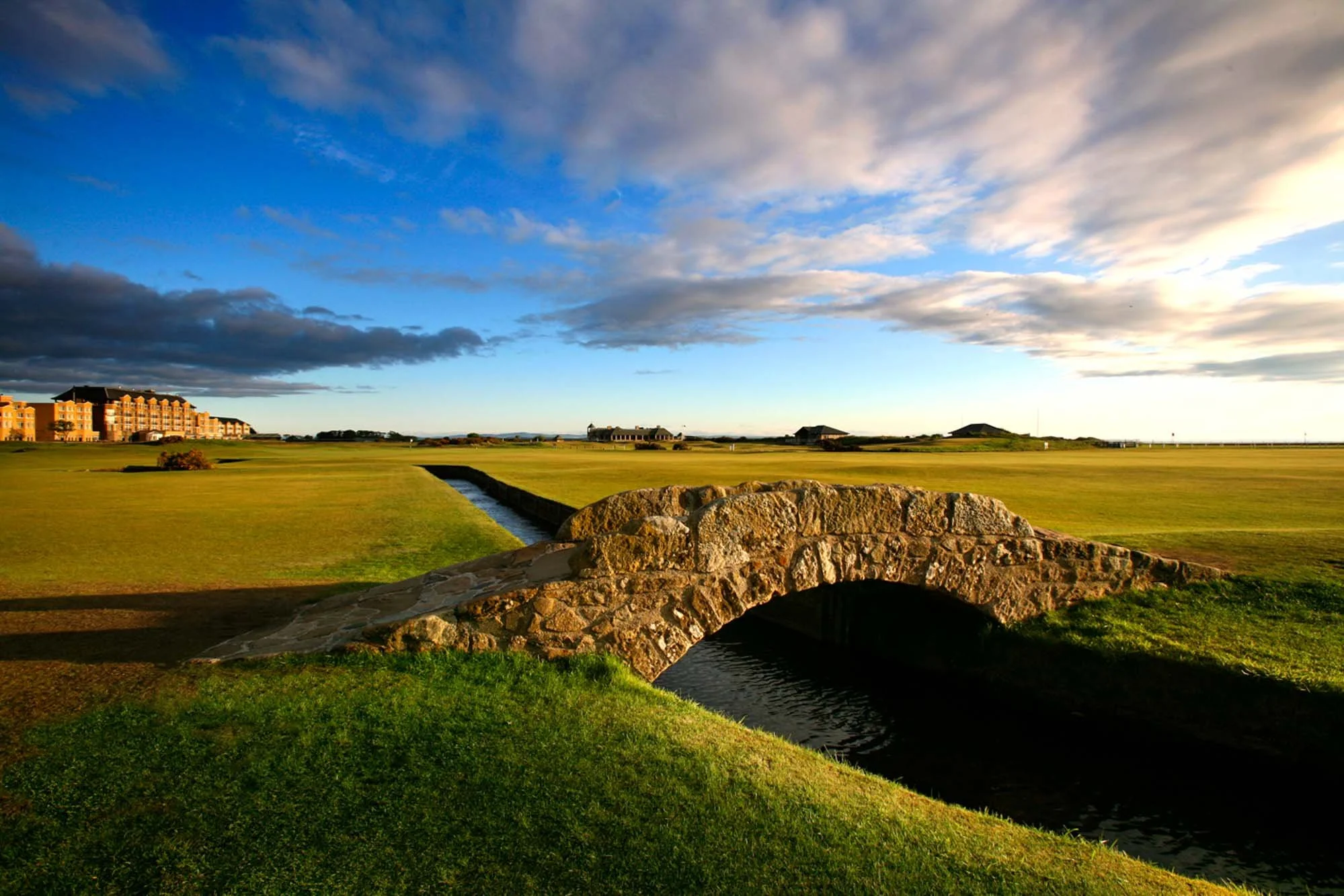
2) St Andrews (Old)
Few courses carry the weight of history and tradition quite like the Old Course at St Andrews. Widely recognised as the Home of Golf, the course has evolved over more than six centuries and remains one of the most iconic venues in the sport. It has hosted The Open Championship 30 times, welcoming generations of the game's greatest players, yet its appeal goes far beyond its history. The Old Course is a masterclass in strategic design, where the natural landscape and clever architecture create a challenge that continues to test golfers of every level.
Its brilliance lies in its immense shared greens, sweeping fairways and infamous collection of bunkers, where positioning matters far more than simply hitting the ball as far as possible. The legendary Road Hole 17th is one of golf's most demanding challenges, with its narrow driving line, the famous Road Hole Bunker and the road itself guarding the green. At the other end of the course, the 18th provides one of the game's most memorable finishes, crossing the iconic Swilcan Bridge towards the historic R&A clubhouse. The Old Course rewards imagination, patience and intelligent course management, proving that timeless design can challenge even the modern game.
Par: 72
Yardage: 7,445 yards (2027 Open Championship layout)
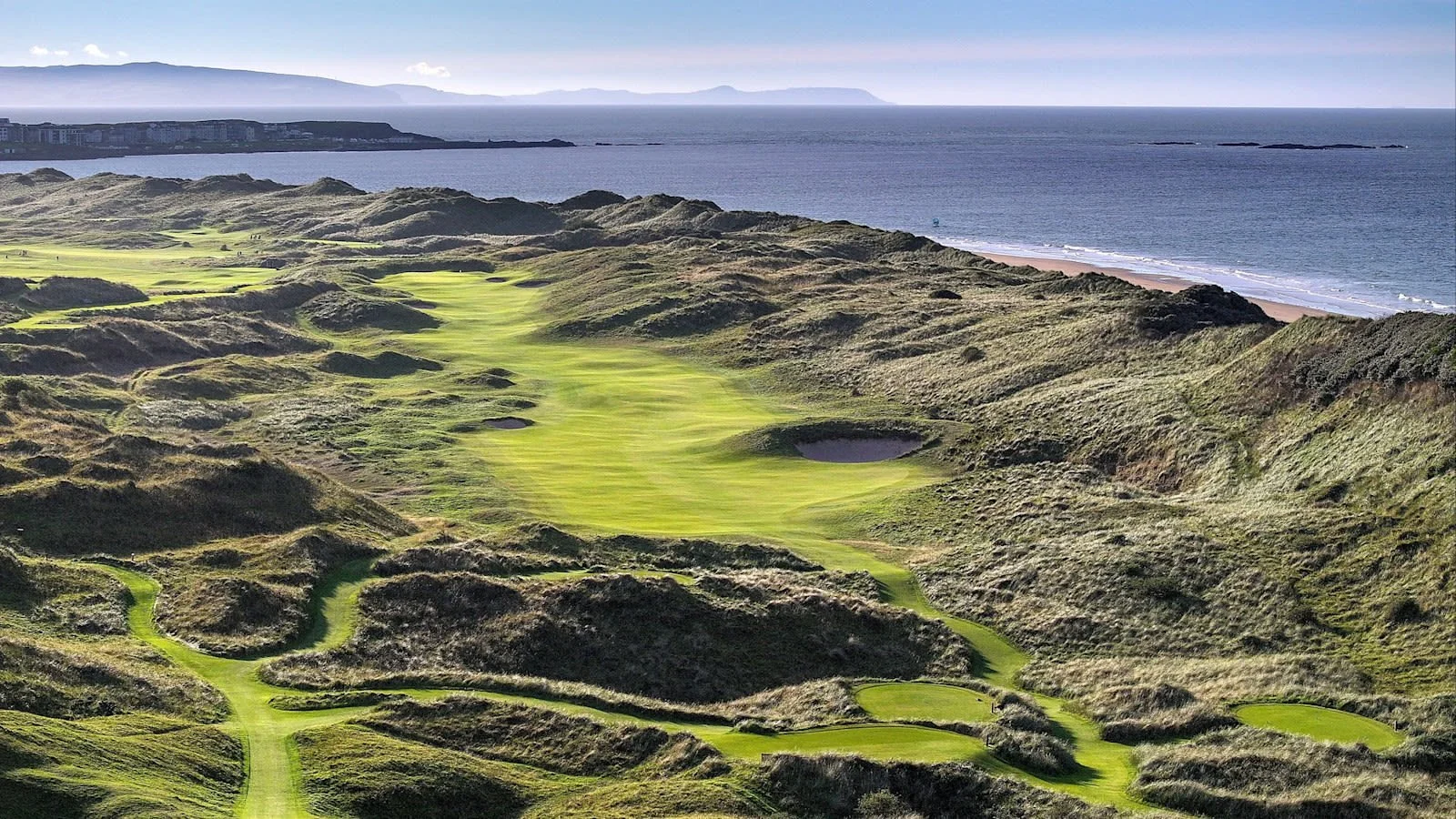
3) Royal Portrush (The Dunluce)
The Dunluce Links at Royal Portrush Golf Club stands among the most spectacular championship links in the world. Originally laid out by Harry Colt in 1929, the course has hosted The Open Championship in 1951, 2019 and 2025, cementing its place among golf's most celebrated venues. Set along Northern Ireland's rugged Atlantic coastline, its towering dunes, dramatic cliffs and sweeping sea views provide a breathtaking backdrop to a course that demands both courage and precision.
The Dunluce's character comes from its natural terrain and relentless strategic demands. Narrow fairways wind between towering dunes, while deep bunkers, uneven lies and unpredictable coastal winds make finding the right position essential. The famous fifth, White Rocks, offers a spectacular approach towards the coastline, while the 16th, Calamity Corner, is one of the most intimidating par threes in golf, requiring a precise carry across a deep ravine to a green surrounded by trouble. From its opening holes to the demanding finish, the Dunluce rewards creativity, nerve and intelligent course management, delivering a championship test that is as beautiful as it is unforgiving.
Par: 72
Yardage: 7,337 yards (championship layout)
4) Muirfield
Muirfield remains one of the most respected links courses in the world, renowned for its strategic brilliance, championship pedigree and understated elegance. Founded in 1744, the Honourable Company of Edinburgh Golfers is recognised as the oldest golfing society in the world, with Muirfield becoming its home in 1891. Having hosted The Open Championship 16 times, the course has witnessed some of the game's greatest moments, yet its reputation rests on far more than history alone. Muirfield offers a demanding, beautifully balanced test of golf where precision, strategy and course management are rewarded above all else.
The course’s appeal lies in its distinctive layout and relentless strategic demands. The front nine follows an outer loop, while the back nine returns in the opposite direction, ensuring the wind presents a different challenge on almost every hole. More than 150 bunkers, undulating fairways and carefully protected greens demand accuracy and thoughtful positioning throughout. There is little room for careless play, and the closing holes provide a stern examination of nerve and execution. Muirfield may lack the dramatic dunes of some neighbouring links, but its subtle complexity, immaculate conditioning and timeless design make it one of the finest and most complete championship tests in golf.
Par: 71
Yardage: 7,245 yards
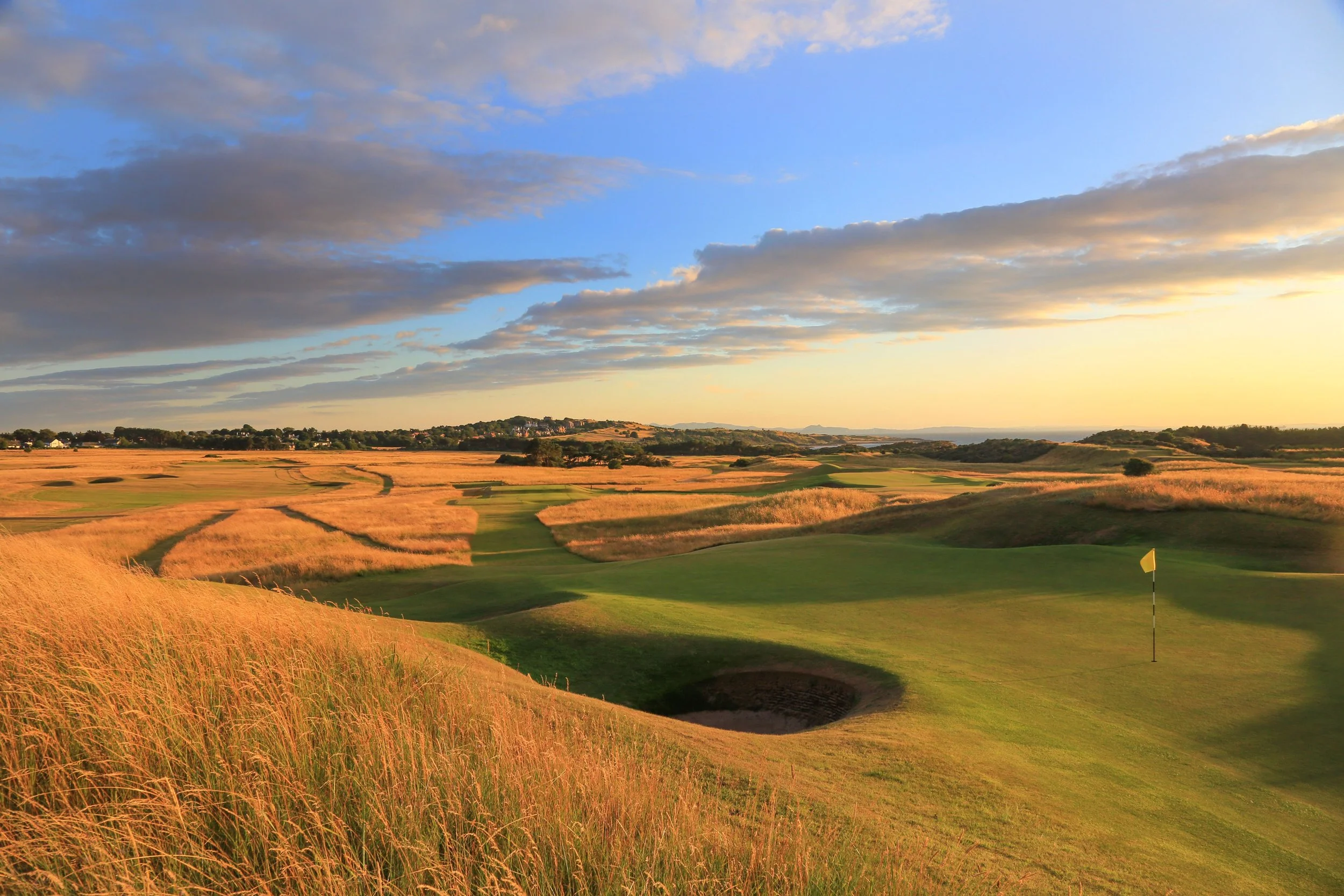
5) Trump Turnberry (Ailsa)
Trump Turnberry’s Ailsa Course is one of the most spectacular links in the world, combining championship pedigree with breathtaking coastal scenery and a layout that demands precision, imagination and courage. Originally designed by Willie Fernie in the early 1900s, the course was extensively rebuilt by Philip Mackenzie Ross after the Second World War and later transformed by Martin Ebert. It has hosted The Open Championship four times, most famously in 1977, when Tom Watson and Jack Nicklaus produced the legendary ‘Duel in the Sun’. Set along Scotland’s rugged Ayrshire coastline, with views across the Firth of Clyde towards Ailsa Craig and the Isle of Arran, the Ailsa offers an unforgettable experience from the opening tee to the final green.
The course’s appeal lies in its dramatic landscape and the way it brings the coastline into play. Rolling fairways, towering dunes, deep bunkers and unpredictable Atlantic winds create a demanding test where positioning and distance control are essential. The stretch around the iconic lighthouse is particularly memorable, with the ninth hole offering a spectacular clifftop challenge, while the seventh has been redesigned to bring the green right to the water’s edge. The closing holes provide a fitting finale, combining strategic demands with some of the finest views in links golf. At Turnberry, natural beauty and championship design come together to create a course that is as thrilling to play as it is memorable to experience.
Par: 71
Yardage: 7,489 yards (championship tees)
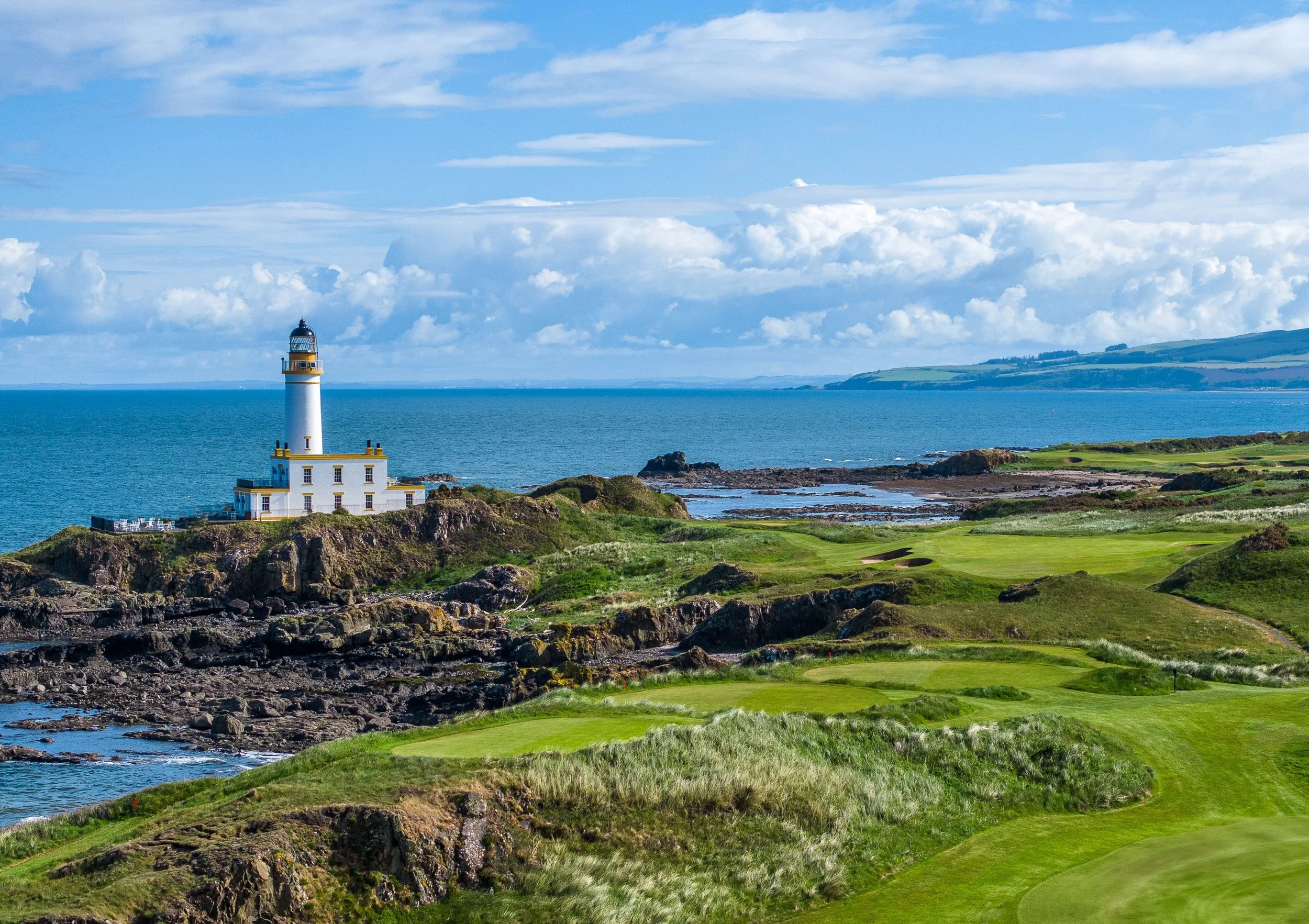
6) Royal Dornoch (Championship)
Royal Dornoch’s Championship Course remains one of the most celebrated links courses in the world, renowned for its natural beauty, distinctive design and demanding test of golf. Golf has been played at Dornoch for centuries, with Old Tom Morris visiting in 1886 to develop the course into an 18-hole layout. Set along the shores of the Dornoch Firth in the Scottish Highlands, the course offers a spectacular combination of sweeping coastal views, rolling dunes and traditional links terrain. Its reputation has been built on a layout that works in harmony with the landscape, delivering a timeless golfing experience that continues to captivate players from around the world.
The course’s appeal lies in its natural contours, elevated plateau greens and the strategic challenges presented by its rugged terrain. Narrow approaches, deep bunkers, gorse-lined fairways and unpredictable coastal winds demand precision, creativity and intelligent course management. The par-three 6th is a particularly testing hole, with deep bunkers and steep slopes surrounding the green, while the 14th, known as Foxy, stands out for its unusual double-dogleg layout and challenging raised putting surface. From the sweeping views along the Dornoch Firth to the demanding closing holes, Royal Dornoch rewards golfers who can adapt to the conditions and think their way around the course. It is a true links experience where natural beauty and strategic brilliance come together.
Par: 70
Yardage: 6,799 yards
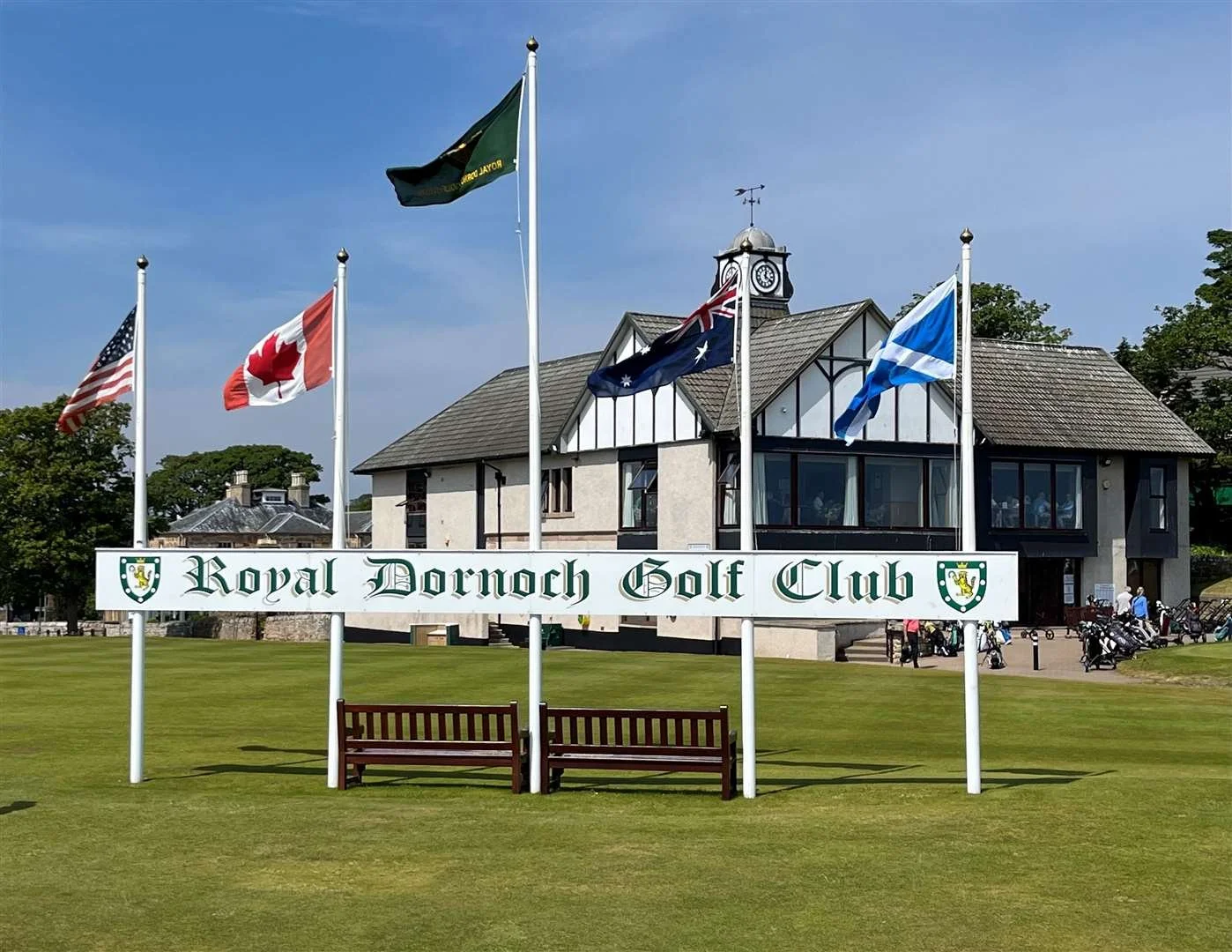
Royal St George’s Golf Club remains one of the most distinctive links courses in the world, renowned for its demanding layout, rich championship history and rugged coastal character. Founded in 1887 in Sandwich, Kent, it became the first course outside Scotland to host The Open Championship in 1894 and has staged the tournament 15 times, most recently in 2021. Set among the towering dunes of Sandwich Bay, the course offers a traditional links experience where natural terrain, unpredictable bounces and changing coastal winds create a challenge that rewards skill, patience and imagination.
The course’s appeal lies in its dramatic dunescape and constantly changing demands. Rumpled fairways, deep bunkers, uneven lies and blind tee shots require golfers to think carefully about every shot, while the exposed coastal conditions can transform the challenge from one day to the next. The famous fourth hole, with its enormous bunker guarding the fairway, is one of the most intimidating sights in championship golf, while the long par-three sixth, known as the Maiden, provides another memorable test. Royal St George’s rewards creativity off the tee and precision into its greens, creating a course that is as strategically fascinating as it is demanding. It remains a true test of links golf, combining historic character with a challenge that continues to stand up to the modern game.
Par: 70
Yardage: 7,204 yards (championship layout)
7) Royal St George’s
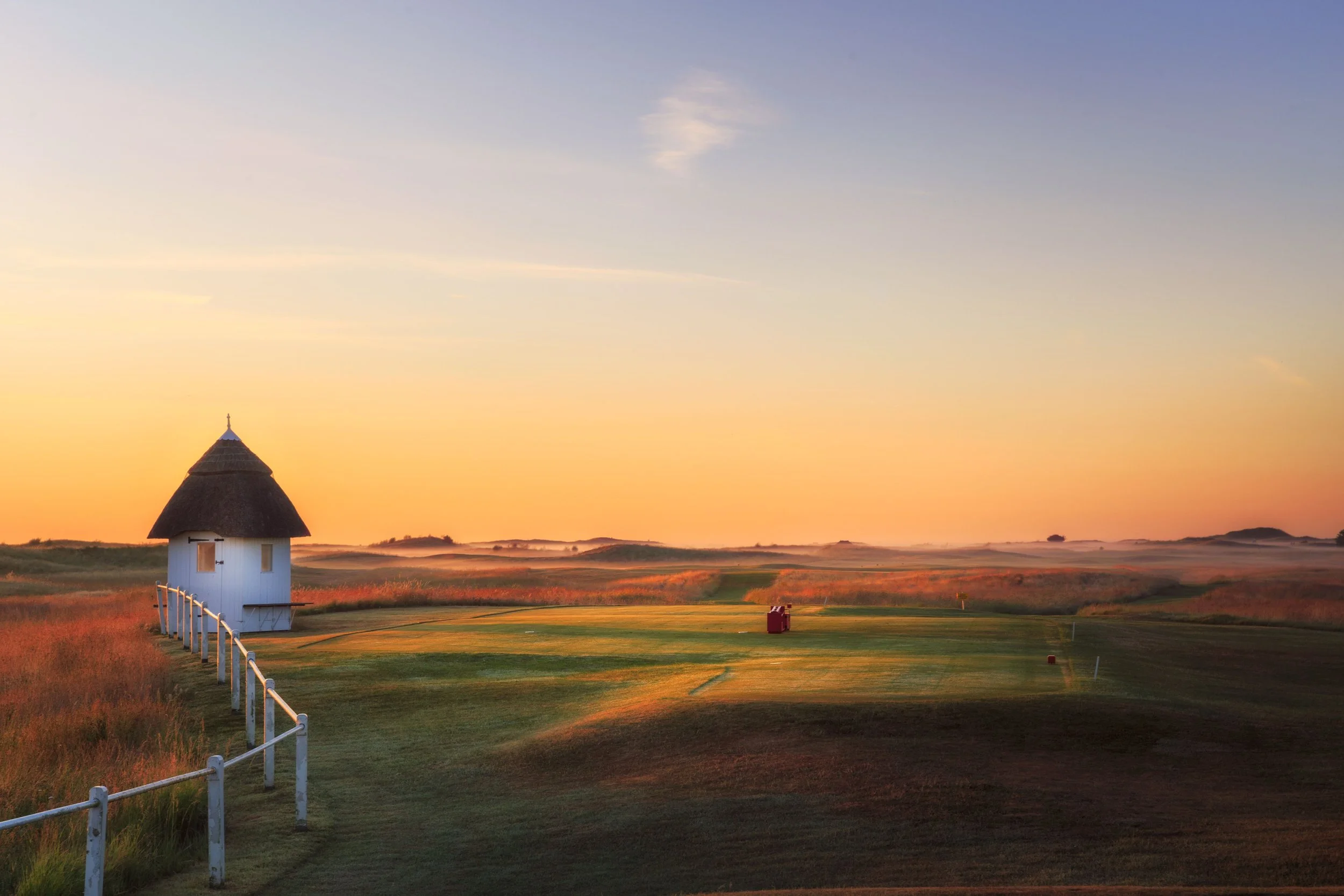
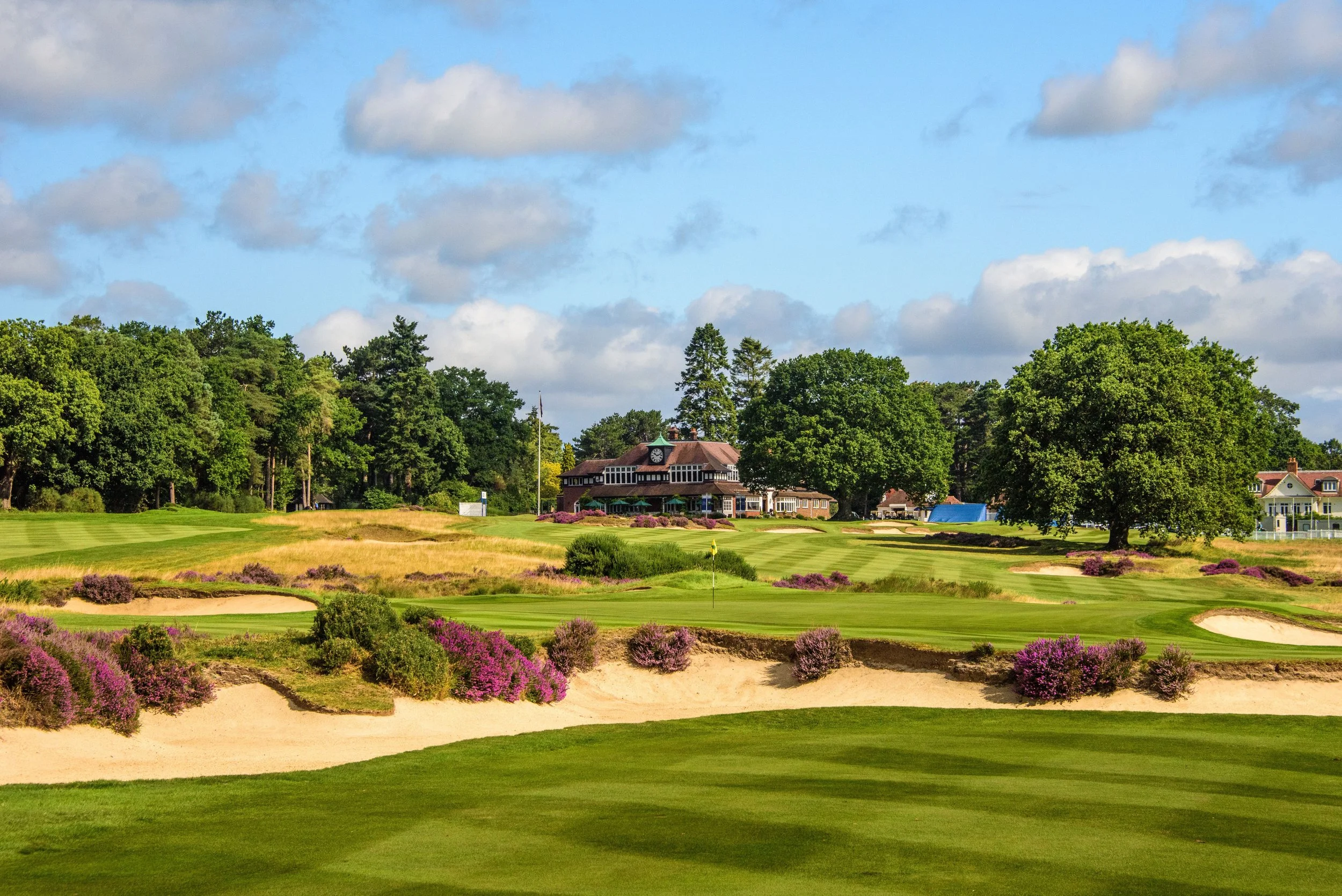
8) Sunningdale (Old)
Sunningdale Old is one of the finest heathland courses in the world, combining timeless architecture with a modern sense of elegance and challenge. Set over rolling Surrey-Berkshire terrain, it delivers a polished yet natural test, where wide fairways, heather, bunkers and subtle land movement reward thoughtful golf rather than brute force. The routing is exceptional, with standout holes throughout, and the conditioning and presentation are consistently first class.
What makes the Old feel so special is the balance between beauty and strategy. It is not overbuilt or overcomplicated, but every hole asks for a clear plan and disciplined execution. From the opening stretch to the finishing holes, it feels refined, memorable and completely worthy of its reputation as one of the best inland courses in Britain. The course also has a calm, understated confidence that modern golfers really appreciate, offering challenge without shouting for attention. It is the kind of layout that stays with you long after the round ends.
Par: 70
Yardage: 6,627 yards
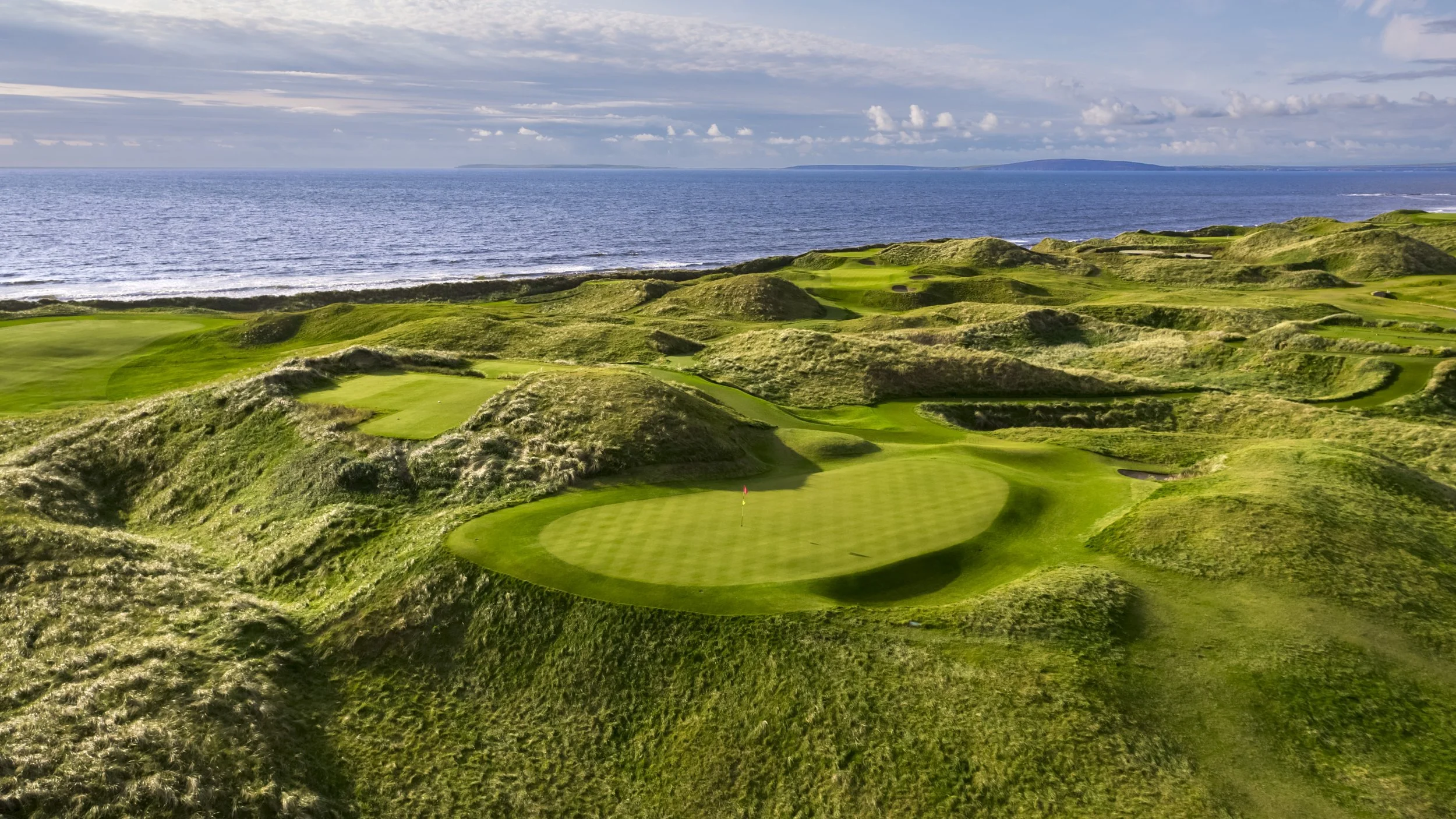
Ballybunion Golf Club’s Old Course remains one of the most celebrated links courses in the world, renowned for its towering dunes, dramatic Atlantic coastline and wonderfully natural design. Founded in 1893 on the coast of County Kerry, Ireland, the course has developed into a destination that attracts golfers from across the globe. Refined over the years by architects including Tom Simpson, it is admired for the way it follows the natural contours of the landscape, creating a challenging and unforgettable round without losing the character of traditional links golf. Its reputation was further enhanced by five-time Open Champion Tom Watson, who famously held Ballybunion in the highest regard.
The course’s appeal lies in its immense dunes, rolling fairways and breathtaking holes along the rugged coastline. Blind tee shots, uneven lies and constantly changing Atlantic winds demand imagination, precision and intelligent course management. The seventh hole provides a spectacular introduction to the dramatic coastal stretch, while the 11th is one of the course’s defining challenges, with the fairway and green framed by towering dunes and the ocean nearby. The closing holes continue to test both nerve and shot-making, rewarding golfers who can adapt to the terrain rather than simply overpower it. Ballybunion is a true celebration of links golf, combining natural beauty, strategic complexity and an authentic sense of adventure that makes every round memorable.
Par: 71
Yardage: 6,739 yards (blue tees)
9) Ballybunion (Old)
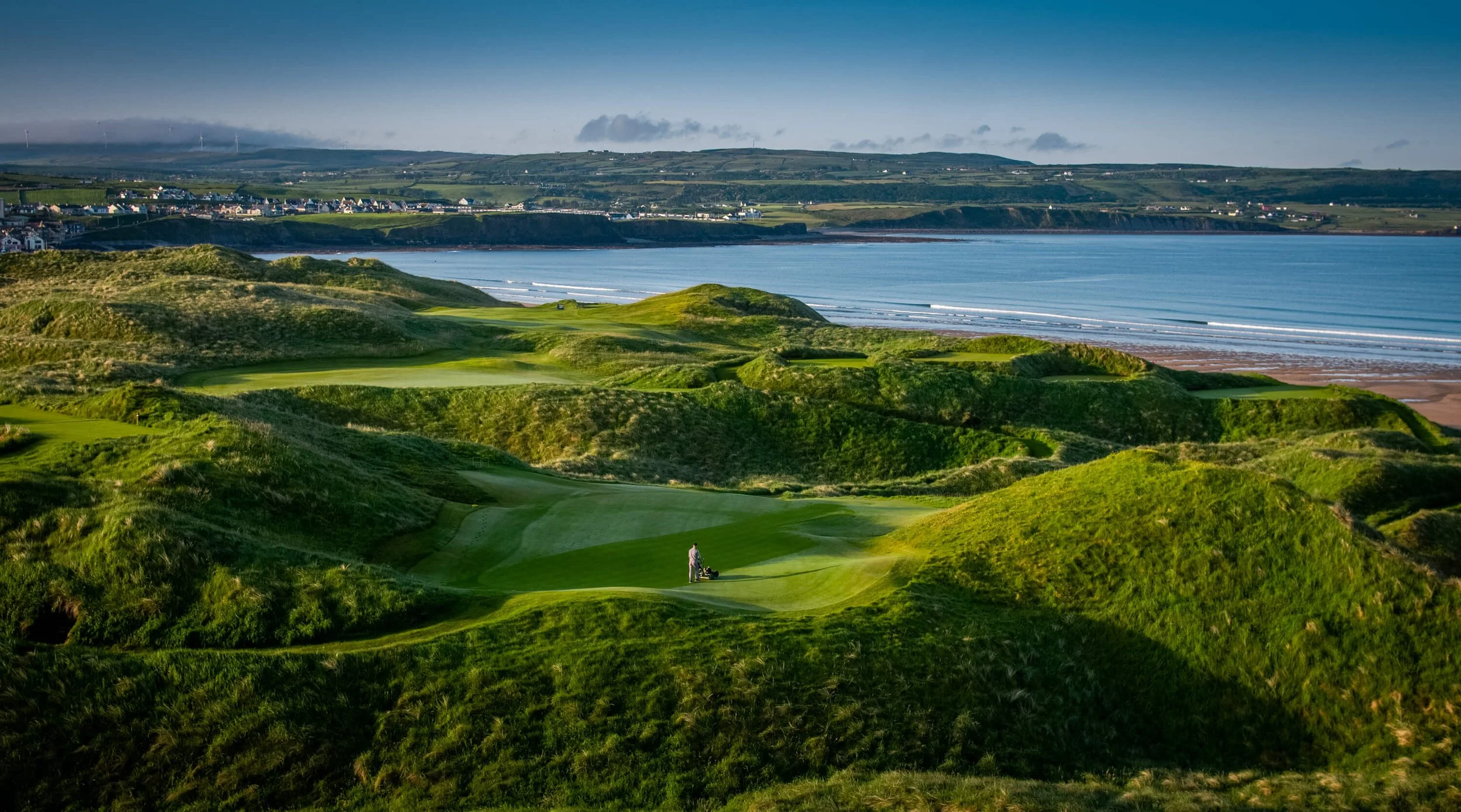
10) Lahinch (Old)
Lahinch Golf Club’s Old Course remains one of Ireland’s most distinctive links, renowned for its natural terrain, inventive architecture and wonderfully unpredictable character. Established in 1892, the course was initially laid out by Old Tom Morris before being redesigned by Dr Alister MacKenzie in 1926. Set along the rugged Atlantic coastline of County Clare, Lahinch combines towering dunes, rolling fairways and dramatic natural contours to create a golfing experience that feels inseparable from its surroundings. It has earned its reputation through the quality of its holes rather than grand surroundings alone, offering a timeless test that continues to attract golfers from around the world.
The course’s appeal lies in its imaginative design and the way it uses the natural landscape to challenge every aspect of the game. Blind tee shots, undulating lies, deep bunkers and exposed coastal winds demand creativity, precision and intelligent course management. The famous fourth hole, Klondyke, requires golfers to navigate a towering dune before approaching the green, while the fifth, Dell, is one of golf’s most unusual par threes, with the green hidden behind a massive sandhill and the pin position indicated by a white stone. These distinctive holes capture the spirit of Lahinch, where strategic thinking and imagination are just as important as distance. With its rich history, memorable design and authentic links character, Lahinch remains a course that rewards adventurous golfers and leaves a lasting impression.
Par: 72
Yardage: 7,066 yards (blue tees)
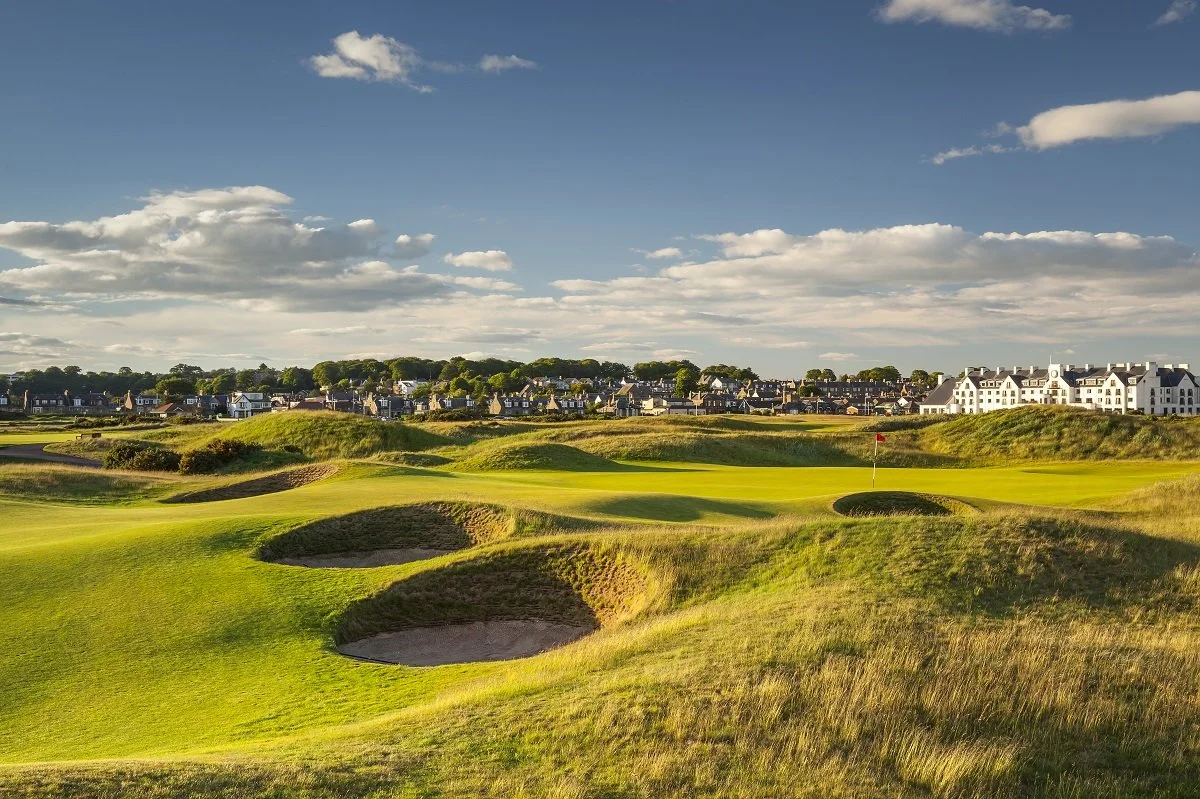
Carnoustie Golf Links’ Championship Course remains one of the toughest and most respected tests in championship golf, renowned for its demanding layout, historic significance and unforgiving links conditions. Golf has been played at Carnoustie since the 16th century, with the course developing into an 18-hole layout in the 19th century under the influence of Old Tom Morris. Situated on the Angus coastline in Scotland, it has hosted The Open Championship eight times, most recently in 2018, when Francesco Molinari claimed his first major title. Carnoustie’s reputation rests on its uncompromising design, where precision, patience and strategic thinking are essential from the opening tee to the final green.
The course’s appeal lies in its narrow fairways, deep bunkers, thick rough and the ever-present threat of the winding Barry Burn. Every hole demands careful thought, with misplaced shots often punished severely and recovery requiring real imagination. The 18th hole is particularly famous, with the Barry Burn snaking across the fairway and guarding the approach to the green, creating one of the most nerve-racking finishes in golf. The sixth, known as Hogan’s Alley, rewards accuracy and strategic positioning, while the closing stretch tests even the most accomplished players. Carnoustie is a true examination of links golf, where managing risk, controlling ball flight and keeping mistakes to a minimum are just as important as power and precision.
Par: 72
Yardage: 6,945 yards (white tees)
11) Carnoustie (Championship)
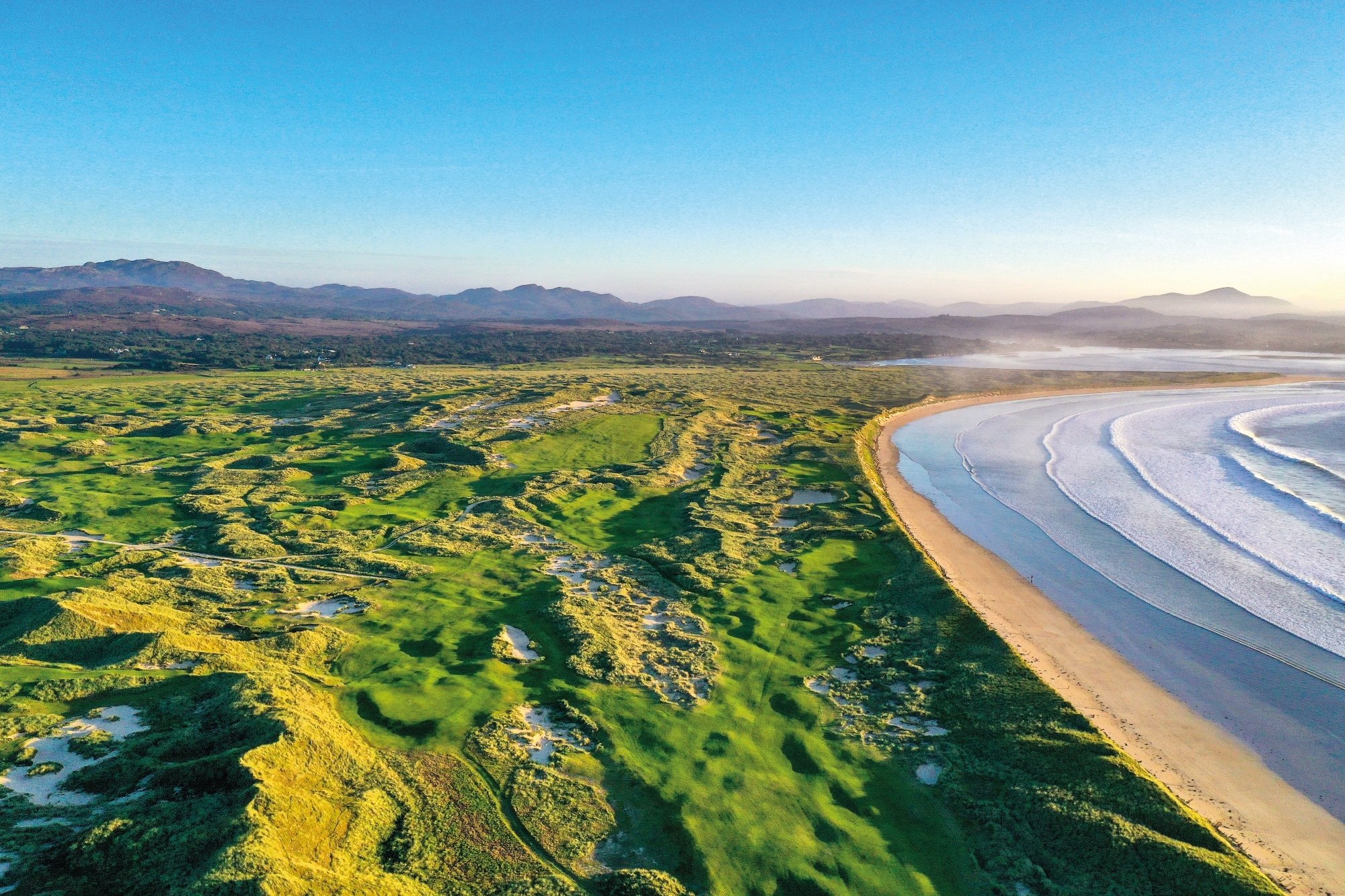
12) Rosapenna (St Patrick’s Links)
Rosapenna’s St Patrick’s Links has quickly established itself as one of Ireland’s most exciting modern links courses, combining extraordinary natural scenery with bold design and a demanding test of golf. Designed by renowned American architect Tom Doak and opened in 2021, the course sits among the immense dunes of County Donegal, overlooking the spectacular coastline of Sheephaven Bay. Built on a remarkable stretch of natural links land, St Patrick’s offers a sense of scale and wild beauty that feels almost untouched, with sweeping views, dramatic elevation changes and a layout that embraces the landscape rather than fighting against it.
The course’s appeal lies in its towering dunes, expansive sandy terrain and the strategic freedom offered from the tee. Wide fairways provide opportunities to attack, but natural contours, deep sandy hollows, hidden hazards and undulating greens demand careful thought and precise execution. The routing moves through some spectacular stretches of duneland, with elevated ground revealing sweeping coastal views and holes that constantly change character as the wind shifts. Unlike more traditional links courses, St Patrick’s combines generous driving areas with dramatic natural hazards, rewarding golfers who can judge angles, control their ball flight and adapt to the terrain. It is a modern links experience with a wonderfully authentic feel, offering both strategic depth and unforgettable scenery.
Par: 71
Yardage: 6,930 yards (Sandstone tees)
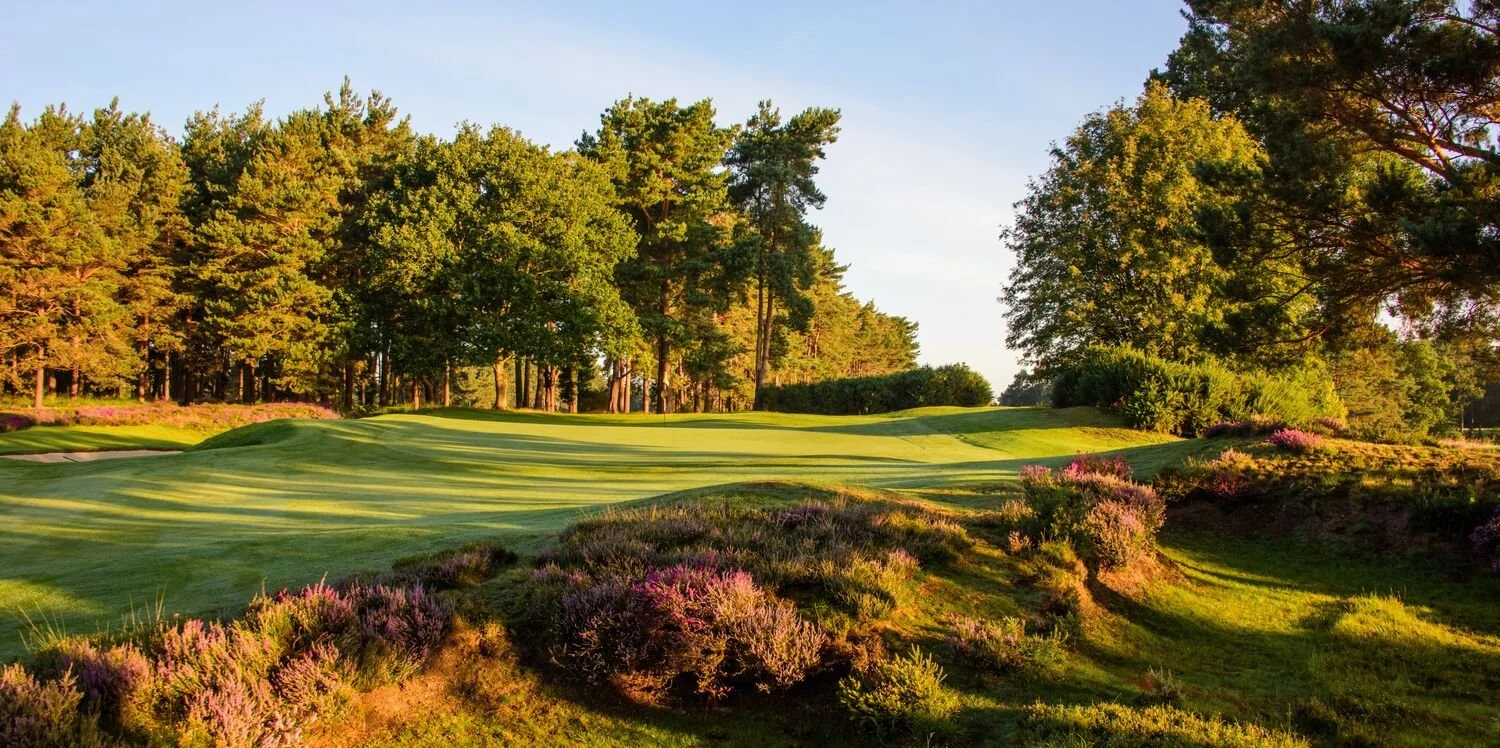
13) Sunningdale (New)
Sunningdale Golf Club’s New Course is one of England’s most celebrated heathland layouts, renowned for its rugged beauty, strategic design and the quality of its natural setting. Designed by the legendary Harry Colt and opened in 1923, the course was created to complement Sunningdale’s famous Old Course while establishing its own distinctive character. Set among the heather, gorse and pine trees of Berkshire, the New Course offers a classic inland golfing experience, with a layout that follows the natural contours of the land and rewards intelligent, controlled play. Often regarded as one of the finest inland courses in the country, it combines timeless architecture with a demanding test that continues to challenge golfers of every level.
The course’s appeal lies in its rugged heathland terrain, narrow winding fairways and small, often elevated greens. Heather and gorse frame the playing corridors, placing a premium on accuracy from the tee, while subtle slopes and carefully positioned bunkers demand precision with approach shots. Compared with the Old Course, the New is more rugged and less heavily bunkered, relying on natural hazards and the shape of the land to create its challenge. The par-three holes provide memorable tests of distance control, while the longer holes reward thoughtful positioning and confident execution. At Sunningdale’s New Course, the challenge is understated but relentless, with every hole demanding a clear strategy and a commitment to the shot. It is a classic example of heathland golf at its finest, combining natural character, architectural brilliance and lasting appeal.
Par: 70
Yardage: 6,417 yards (white tees)
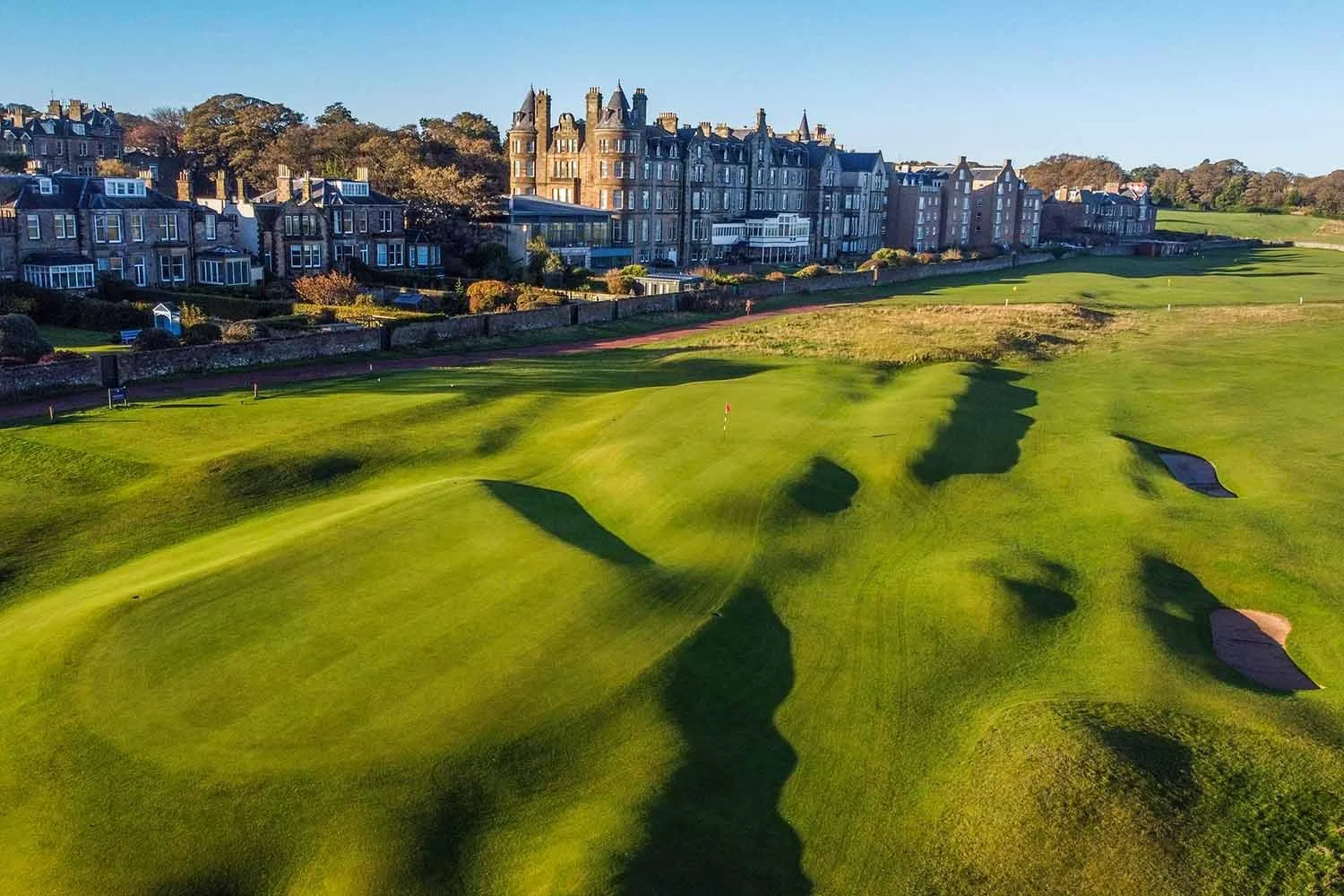
14) North Berwick
North Berwick Golf Club’s West Links remains one of Scotland’s most distinctive and characterful links courses, renowned for its traditional design, imaginative hazards and spectacular coastal setting. Founded in 1832, the club has a rich golfing history, with the course gradually evolving into the celebrated 18-hole layout played today. Set along the shores of the Firth of Forth in East Lothian, North Berwick offers a wonderfully natural golfing experience where stone walls, rolling fairways and the sea itself form part of the challenge. Rather than relying on length alone, the course rewards creativity, strategic thinking and the ability to adapt to the demands of classic links golf.
The course’s appeal lies in its unusual features and the way it constantly asks golfers to think differently. Stone walls cross fairways, the beach comes into play on several holes, and undulating greens demand careful judgement with every approach. The 13th, known as the Pit, requires an imaginative shot into a sunken green beyond a stone wall, while the 14th, Perfection, demands two precise shots to reach its putting surface. The 15th, the famous Redan, is one of the most influential par-three designs in golf, with a steeply sloping green that rewards a well-judged shot played into the correct angle. North Berwick combines history, charm and strategic brilliance to create a memorable links experience that continues to influence golf course design around the world.
Par: 71
Yardage: 6,420 yards
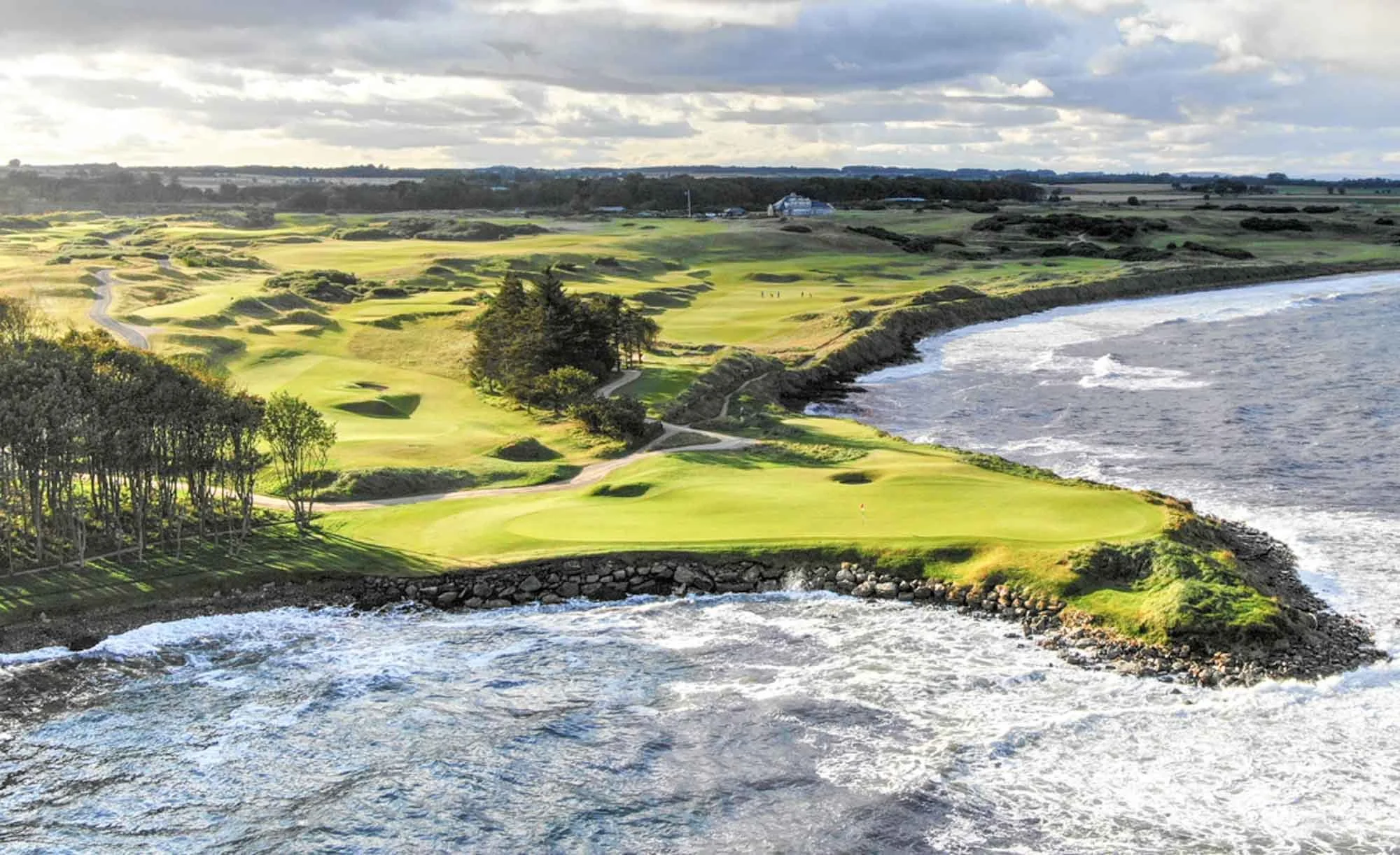
15) Kingsbarns
Kingsbarns Golf Links has established itself as one of Scotland’s most spectacular modern links courses, combining imaginative design with breathtaking coastal scenery and a challenging test of golf. Opened in 2000 and designed by American architect Kyle Phillips, the course lies just south of St Andrews along the rugged Fife coastline. Despite its relatively recent arrival compared with Scotland’s historic links, Kingsbarns has earned widespread recognition for its outstanding layout, natural character and championship pedigree. Co-hosting the Alfred Dunhill Links Championship alongside St Andrews and Carnoustie, it has become an essential destination for golfers seeking an unforgettable Scottish links experience.
The course’s appeal lies in its sweeping sea views, undulating fairways and the way so many holes embrace the North Sea coastline. Wide driving areas offer opportunities to attack, but strategically placed bunkers, rolling terrain and large, contoured greens demand careful positioning and precise approach play. The 12th is a spectacular par five that curves around the bay, while the 15th presents a memorable par-three challenge over rocky coastal terrain. With the sea featuring prominently throughout the round, changing winds add another layer of difficulty, rewarding golfers who can control their ball flight and adapt their strategy. Kingsbarns combines the visual drama of traditional links golf with modern architectural brilliance, creating a course that feels both timeless and distinctive.
Par: 72
Yardage: 7,227 yards (championship layout)
16) Ardfin
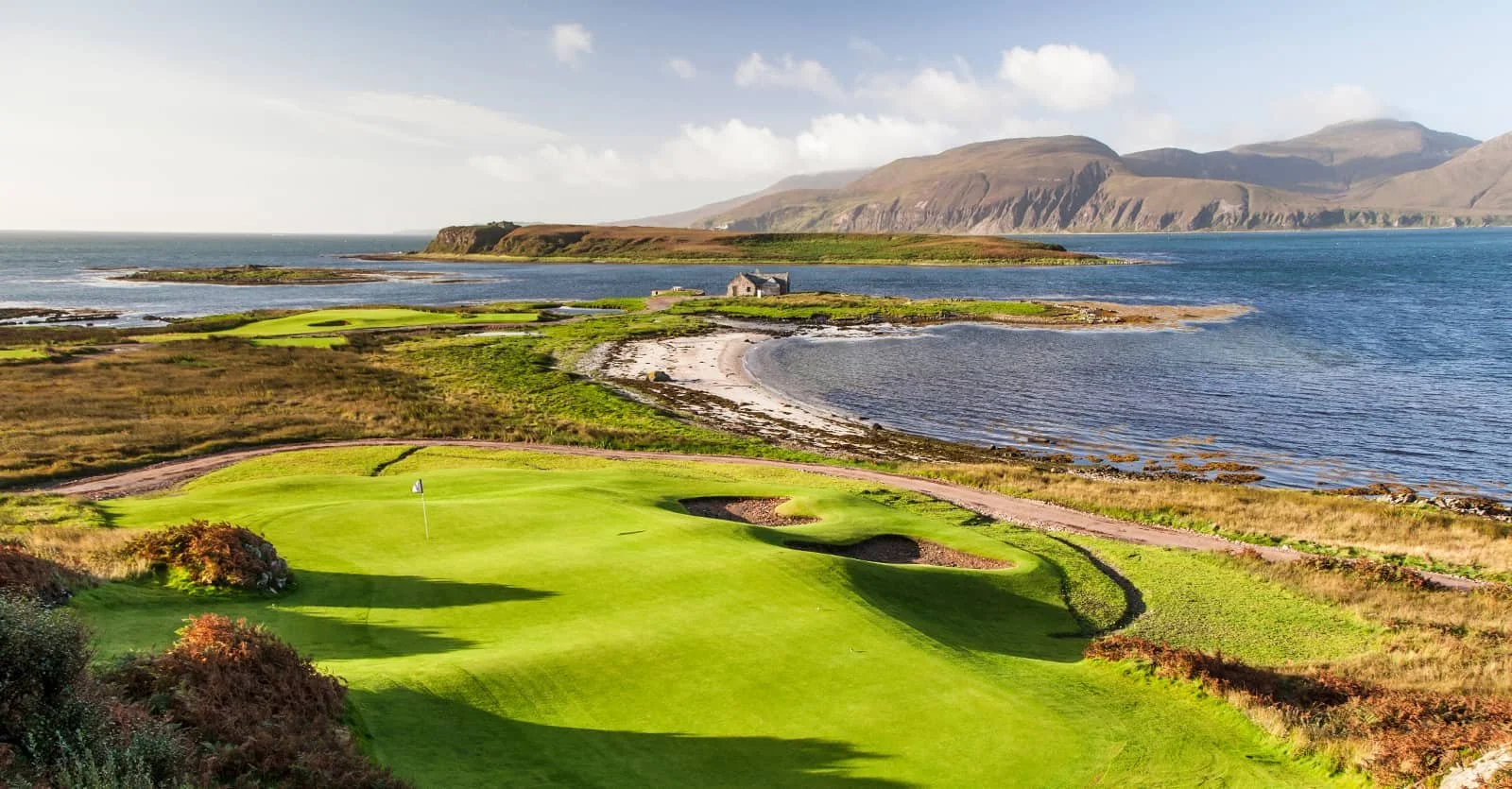
rdfin Golf Course is one of Scotland’s most extraordinary modern golfing experiences, combining dramatic clifftop holes, untouched natural beauty and a remarkable sense of isolation. Opened in 2017 and designed by Australian architect Bob Harrison, the course occupies a spectacular stretch of coastline on the southern tip of the Isle of Jura in Scotland’s Inner Hebrides. Overlooking the Sound of Jura towards the neighbouring island of Islay, Ardfin has been shaped around rugged cliffs, rocky shorelines and sweeping coastal views. Its remote setting and exclusive access make it a rare destination, while its imaginative design has quickly established it as one of the most distinctive courses in Great Britain & Ireland.
The course’s appeal lies in its dramatic natural terrain and the way it uses the coastline as its primary defence. Towering cliffs, narrow greens, rocky outcrops and deep natural hollows replace the extensive bunkering found on many traditional links courses, demanding precision, creativity and intelligent course management. The 10th is a particularly spectacular par three, played across a dramatic coastal ravine towards a green perched on the opposite bluff, while several holes along the shoreline bring the sea and rugged landscape directly into play. Generous fairways offer opportunities from the tee, but the challenging approaches and exposed conditions reward golfers who can control their ball flight and judge their distances carefully. Ardfin is a striking example of modern golf course architecture, where the natural landscape provides both the beauty and the challenge, creating a round that is as memorable as it is demanding.
Par: 72
Yardage: 6,812 yards (back tees)
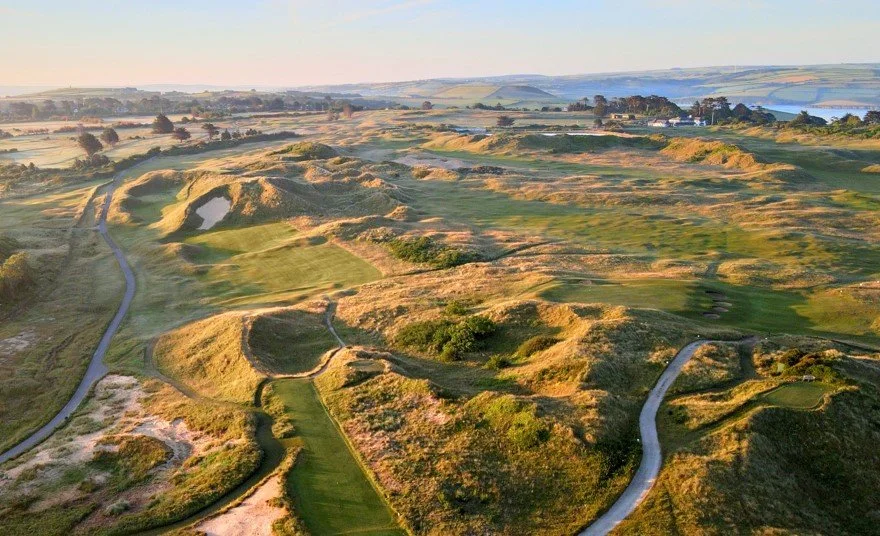
St Enodoc Golf Club’s Church Course is one of England’s most distinctive links layouts, celebrated for its towering dunes, imaginative design and wonderfully natural character. Established in 1890 and shaped by the legendary architect James Braid in 1907, the course sits above the Camel Estuary near Rock in Cornwall, offering sweeping coastal views and a landscape that feels both rugged and timeless. Despite its relatively modest length by modern standards, St Enodoc has earned a formidable reputation among golfers for its strategic complexity, unusual hazards and memorable holes. It is a course that proves championship-quality golf is about far more than distance, rewarding creativity and intelligent play at every turn.
The course’s appeal lies in its enormous sand dunes, rolling fairways and some of the most distinctive hazards in English golf. The famous Himalaya bunker on the sixth hole is a towering sandy obstacle that creates a daunting blind approach, while the tenth, played towards the historic St Enodoc Church, is a demanding par four that requires accuracy and careful course management. Uneven lies, hidden greens and constantly shifting coastal winds ensure that every round presents a different challenge. The par-five 16th provides another memorable stretch, winding through the dunes with spectacular views across the estuary. St Enodoc combines traditional links golf with a character all of its own, delivering a round that is as entertaining as it is challenging.
Par: 69
Yardage: 6,557 yards (blue tees)
17) St Enodoc (Church)
18) Swinley Forest
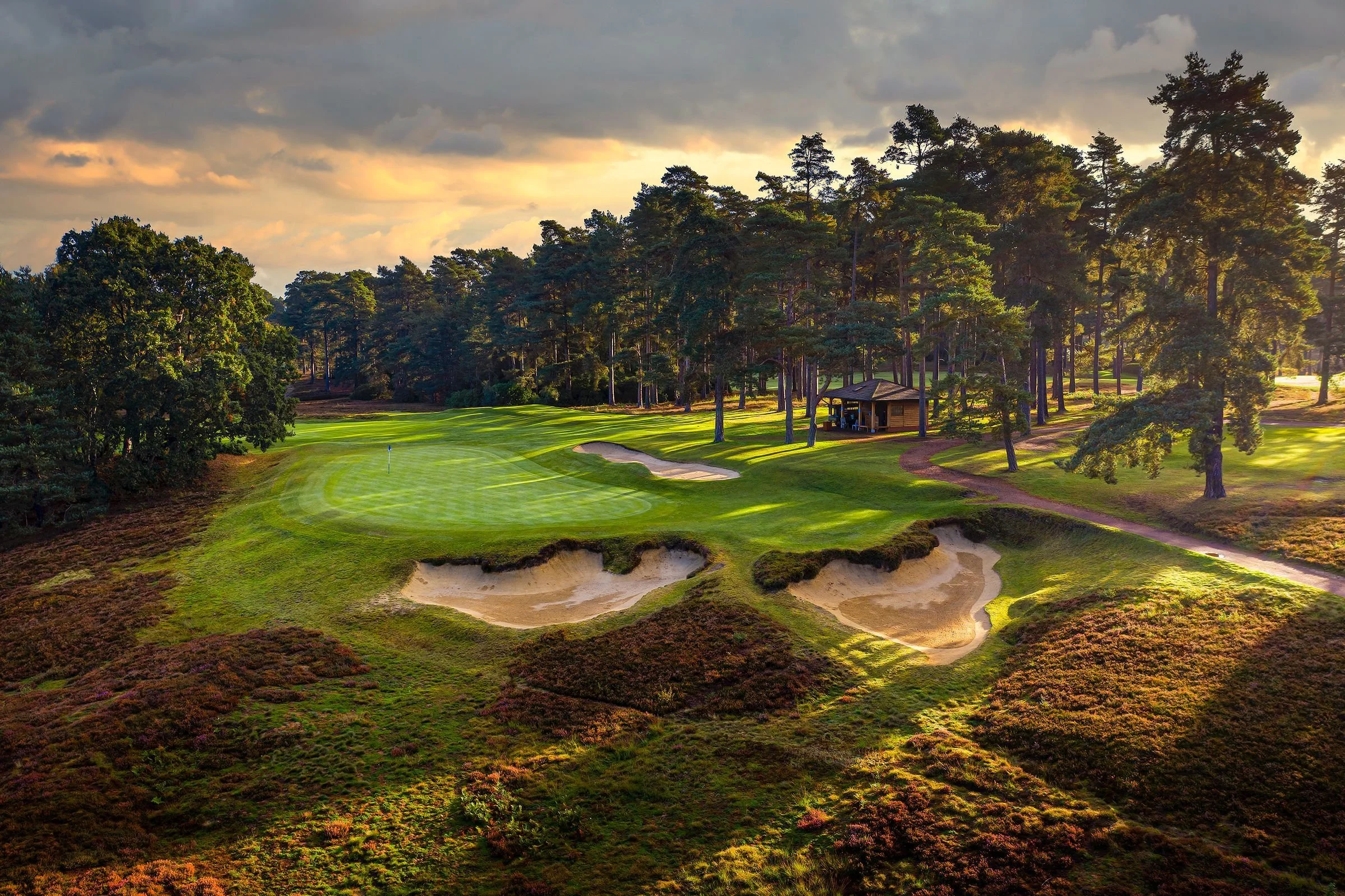
Swinley Forest Golf Club remains one of England’s most distinctive heathland courses, renowned for its understated elegance, strategic design and exceptional natural beauty. Founded in 1909 by the 17th Earl of Derby and designed by the legendary Harry Colt, the course winds through the sandy heathland of Berkshire, surrounded by towering pines, colourful heather, gorse and seasonal azaleas. Unlike many championship venues, Swinley Forest was created primarily for the enjoyment of its members rather than tournament golf, allowing Colt to focus on intelligent routing and natural character. More than a century later, it remains a celebrated example of classic golf course architecture, proving that a course does not need enormous length to deliver an unforgettable experience.
The course’s appeal lies in its subtle challenges and the way it uses the natural heathland to test every aspect of the game. Heather-lined fairways, strategically positioned bunkers and undulating greens demand accuracy, thoughtful positioning and an imaginative short game. With just two par fives across the layout, scoring opportunities are limited, and the par fours require careful decision-making rather than simply relying on power. The fourth hole is a particularly memorable par three, while the ninth stands out for its distinctive central fairway bunker and beautiful heathland surroundings. Swinley Forest rewards golfers who appreciate precision, creativity and intelligent course management, offering a peaceful yet demanding round that showcases Harry Colt’s architectural brilliance.
Par: 69
Yardage: 6,431 yards (back tees)
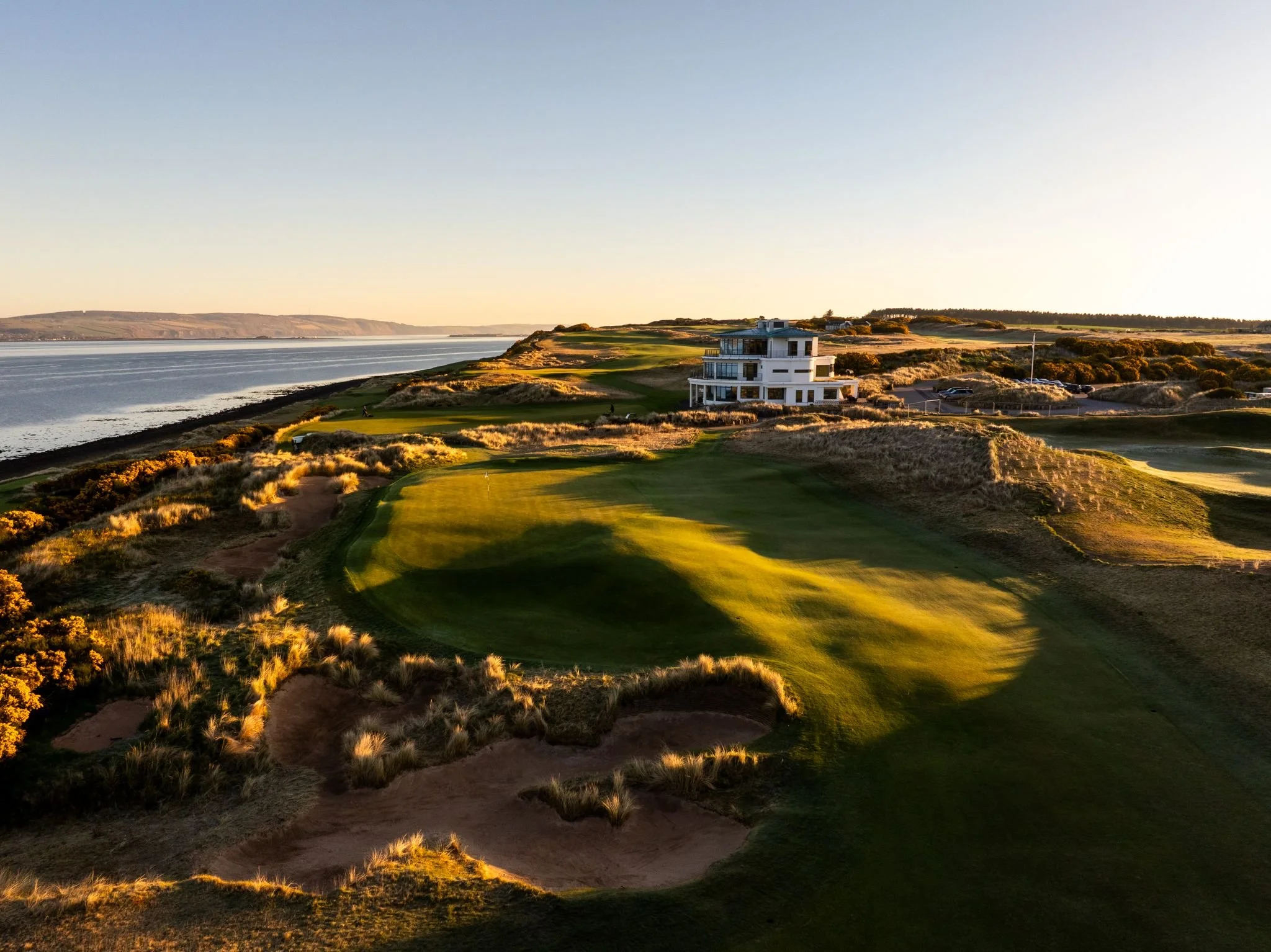
Cabot Highlands’ Castle Stuart Golf Links has established itself as one of Scotland’s most striking modern links courses, combining imaginative architecture with spectacular coastal scenery and a compelling championship test. Designed by Gil Hanse and Mark Parsinen, the course opened in 2009 on the shores of the Moray Firth near Inverness. Its reputation grew rapidly after hosting the Scottish Open, attracting some of the world’s best players to a layout that blends traditional Scottish links influences with a bold, contemporary design. With sweeping views across the water towards the Black Isle and Chanonry Lighthouse, Castle Stuart offers a golfing experience where natural beauty and strategic challenge are inseparable.
The course’s appeal lies in its rumpled fairways, natural hazards and spectacular greens that appear to hang above the coastline. Generous driving areas provide opportunities to attack, but carefully positioned bunkers, hidden contours and elevated putting surfaces demand thoughtful positioning and precise approach play. Several holes run directly alongside the Moray Firth, bringing the water and coastal winds into play, while the closing stretch provides an exhilarating finish. The short 16th offers a risk-and-reward opportunity, the 17th presents a demanding long par three, and the par-five 18th sweeps downhill towards the distinctive clubhouse. Castle Stuart rewards creativity, confident shot-making and intelligent course management, delivering a modern links experience that feels both innovative and deeply connected to Scotland’s golfing traditions.
Par: 72
Yardage: 7,009 yards (championship tees)
19) Cabot Highlands
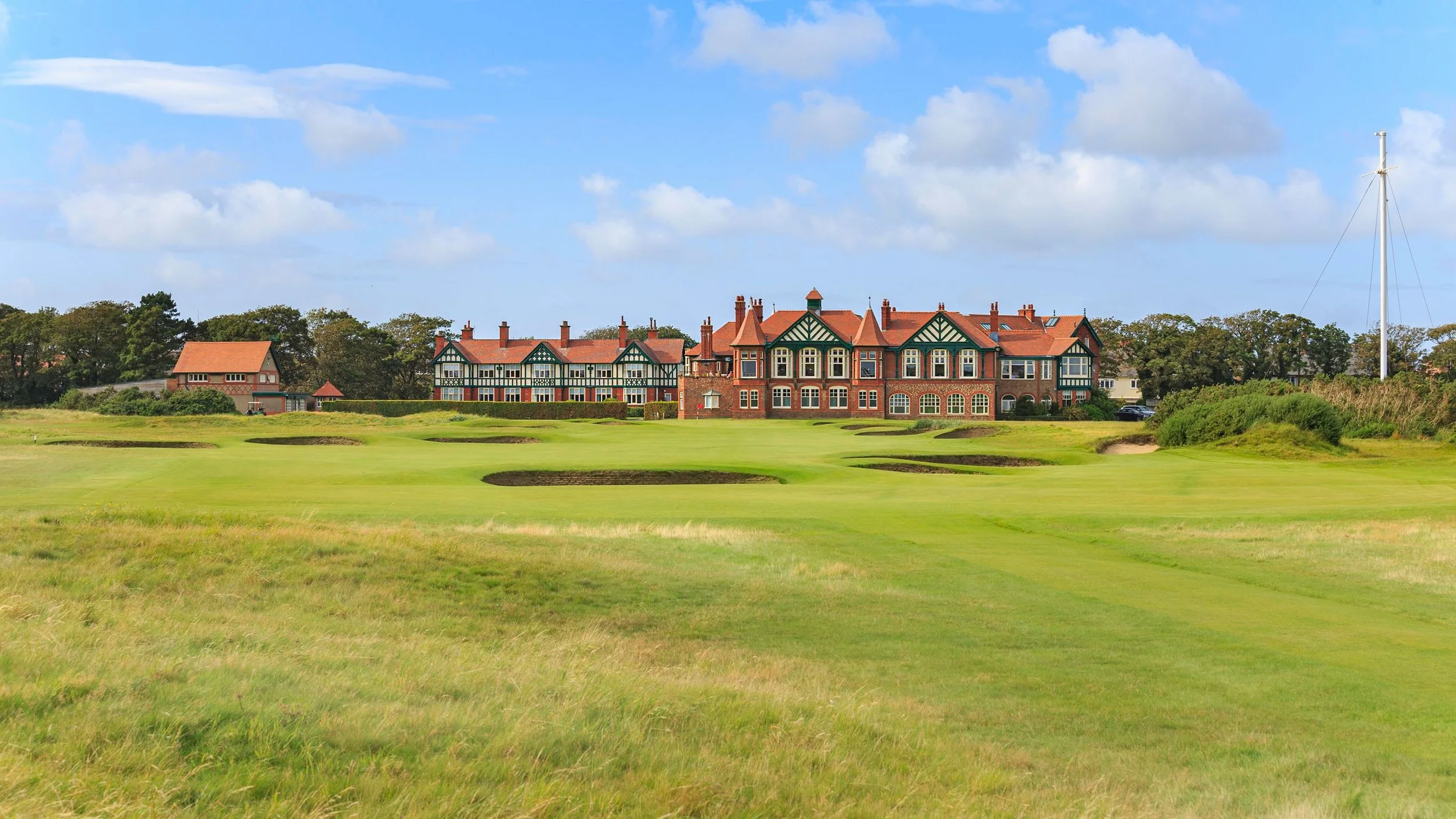
20) Royal Lytham & St Annes
Royal Lytham & St Annes Golf Club remains one of England’s most demanding championship links, renowned for its strategic complexity, historic pedigree and formidable collection of bunkers. Founded in 1886, the club moved to its present course in 1897, with renowned architect Harry Colt later making significant improvements to the layout. Situated in Lancashire on England’s north-west coast, the course has hosted The Open Championship 11 times, welcoming some of the game’s greatest players. Unlike many traditional links venues, Royal Lytham sits slightly inland, surrounded by residential areas and a railway line, yet its exposed conditions and classic links terrain deliver a stern test of golf.
The course’s appeal lies in its intricate design and relentless demand for accuracy. With more than 160 strategically positioned bunkers, narrow fairways and carefully protected greens, wayward shots are frequently punished, making precise ball-striking and intelligent course management essential. Unusually, the round begins with a challenging par three, immediately demanding control and a confident strike. The par-five 11th provides an opportunity to attack, while the closing holes test both patience and nerve as bunkers and demanding approaches come into play. Royal Lytham rewards golfers who can plot their way around the course, manage risk and keep mistakes to a minimum. Its understated appearance conceals a formidable championship challenge, making it one of the most respected and enduring tests in links golf.
Par: 71
Yardage: 7,118 yards (blue tees)
21) Royal Porthcawl
22) Cruden Bay (Championship)
23) Ganton
24) Portmarnock (Championship)
25) Trump Innternational (Old)
26) Royal Birkdale
27) St George’s Hill (Red and Blue)
28) Royal Aberdeen
29) Royal Cinque Ports
30) Prestwick
Rankings 21-30)
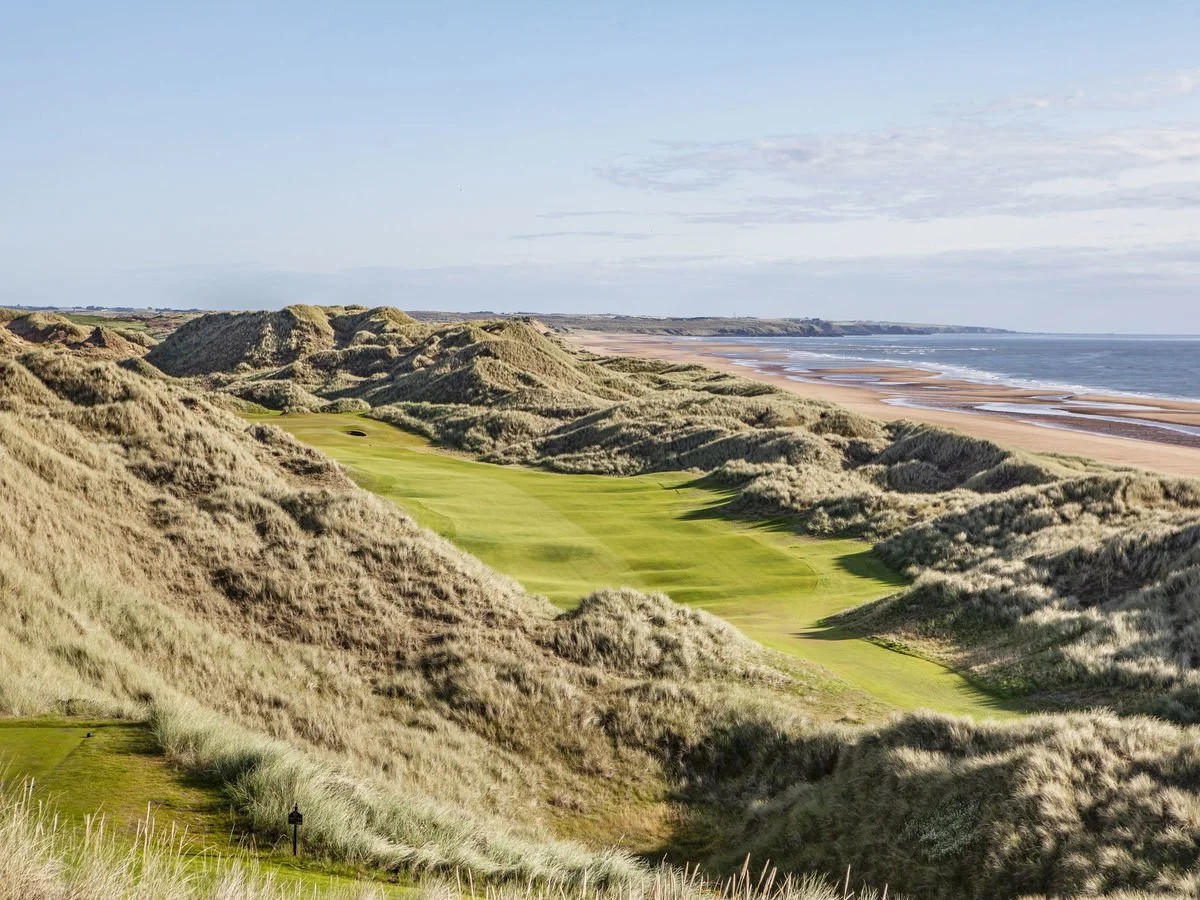
Rankings 31-40)
31) West Sussex
32) Woodhall Spa (Hotchkin)
33) Rye (Old)
34) Machrihanish (Championship)
35) Royal West Norfolk
36) Royal Troon
37) Royal Liverpool
38) Walton Heath (Old)
39) Formby
40) Waterville
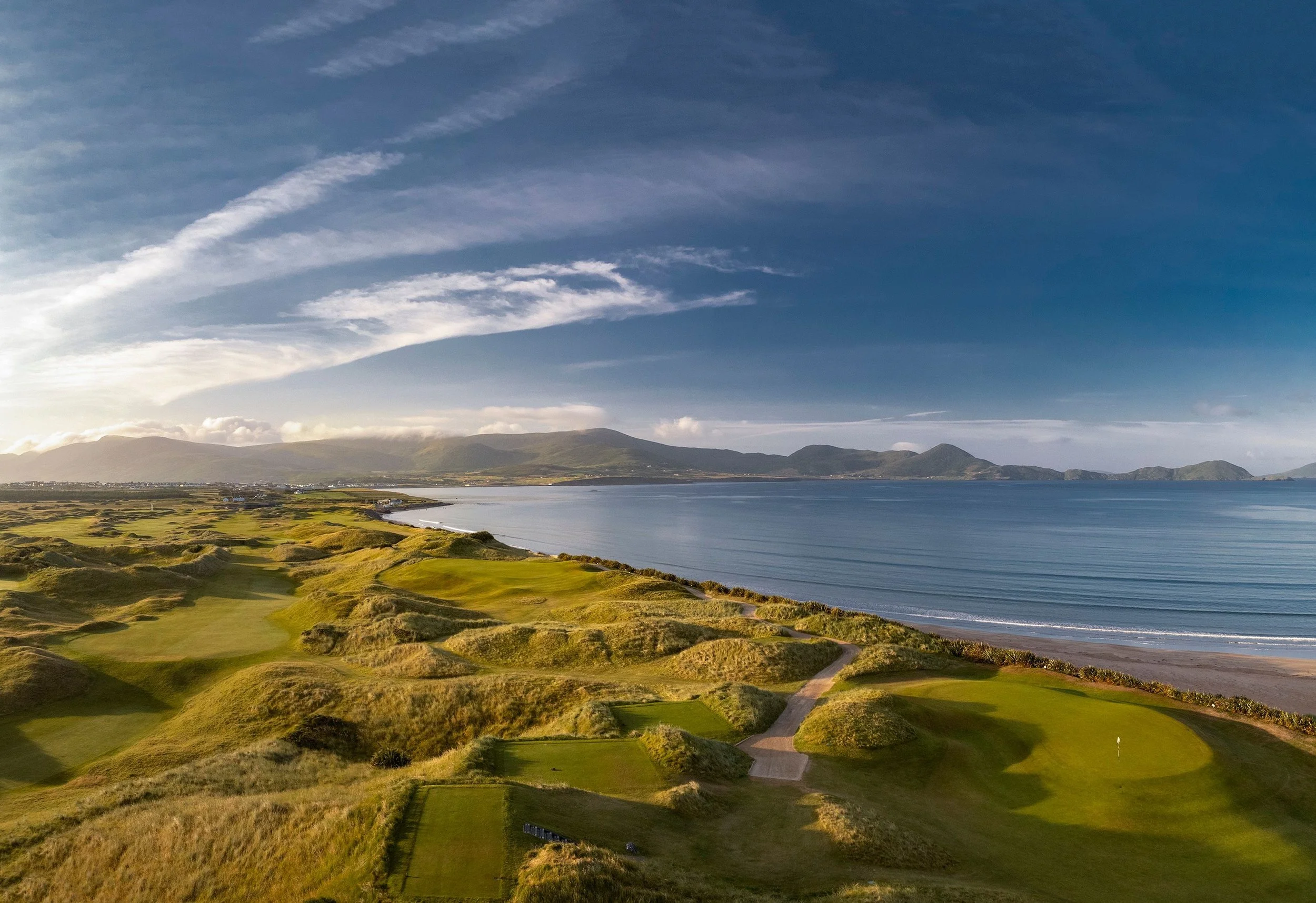
41) Hollinwell
42) County Louth
43) Western Gailes
44) Alwoodley
45) Loch Lomond
46) Gleneagles (Kings)
47) Saunton (East)
48) Nairn (Championship)
49) The Island
50) Siloth On Solway
Rankings 41-50)
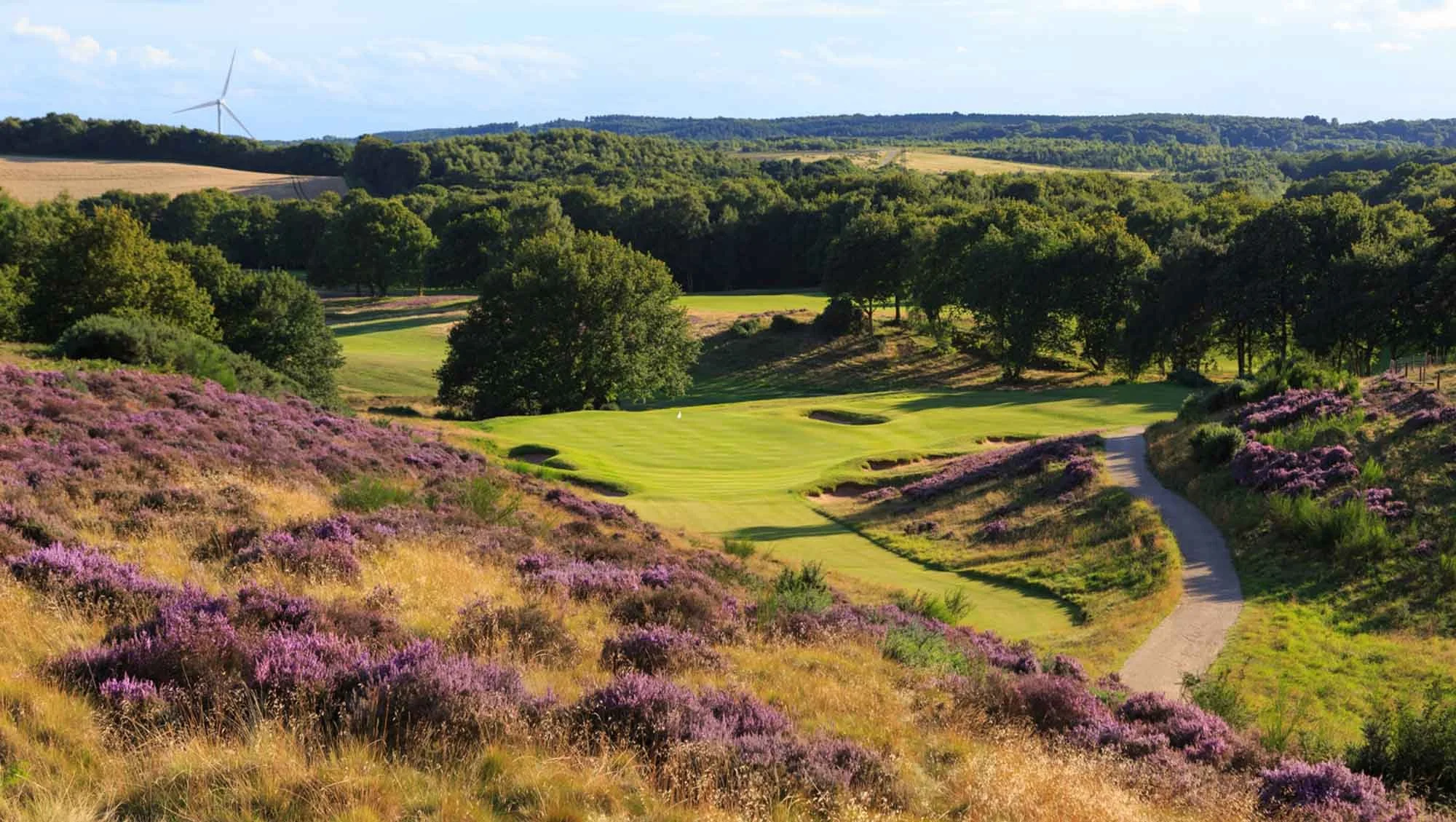
Rankings 51-60)
51) Cabot Highlands (Old Petty)
52) County Sligo (Colt Championship)
53) The Berkshire (Red)
54) The Golf House Club, Elie
55) Hankley Common
56) Carne (Wild Atlantic Dunes)
57) Gullane (No1)
58) Trump International (Ireland)
59) Brora
60) Pennard
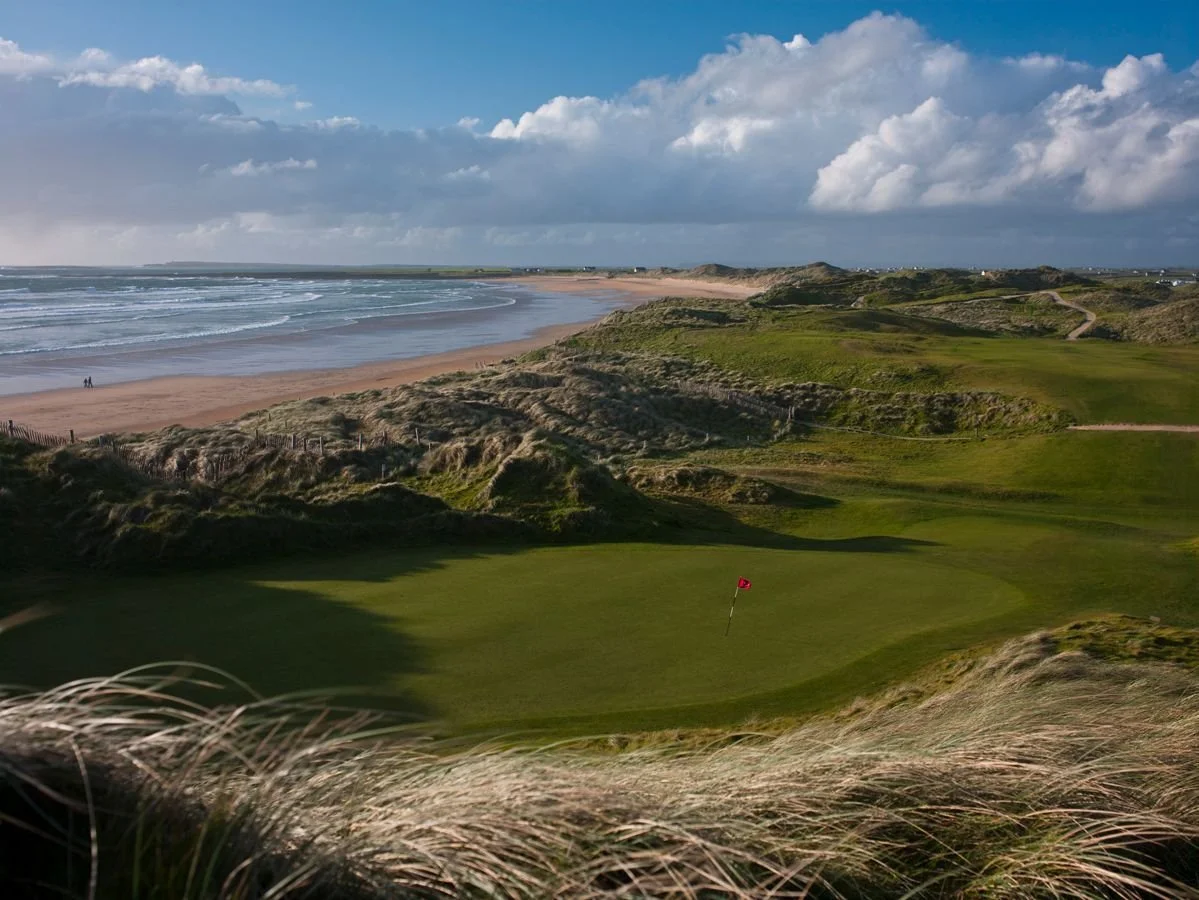
61) Burnham and Berrow
62) Woking
63) Trump International (New)
64) Ballyliffin
65) Hunstanton
66) Skibo Castle - Carnegie Links
67) Portstewart (Strand)
68) Hillside
69) St Andrews (New)
70) Tralee
Rankings 61-70)
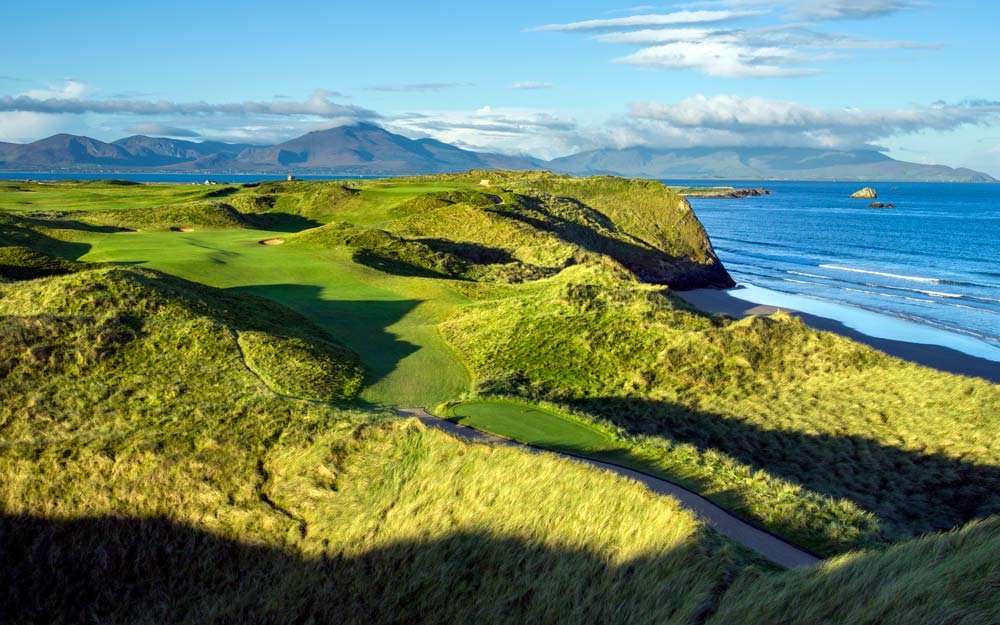
Rankings 71-80)
71) Wentworth (West)
72) Enniscrone (The Dunes)
73) West Lancashire
74) The Addington
75) The Renaissance
76) Adare Manor
77) Royal St David’s
78) Dumbarnie Links
79) Liphook
80) Another Place, The Machrie
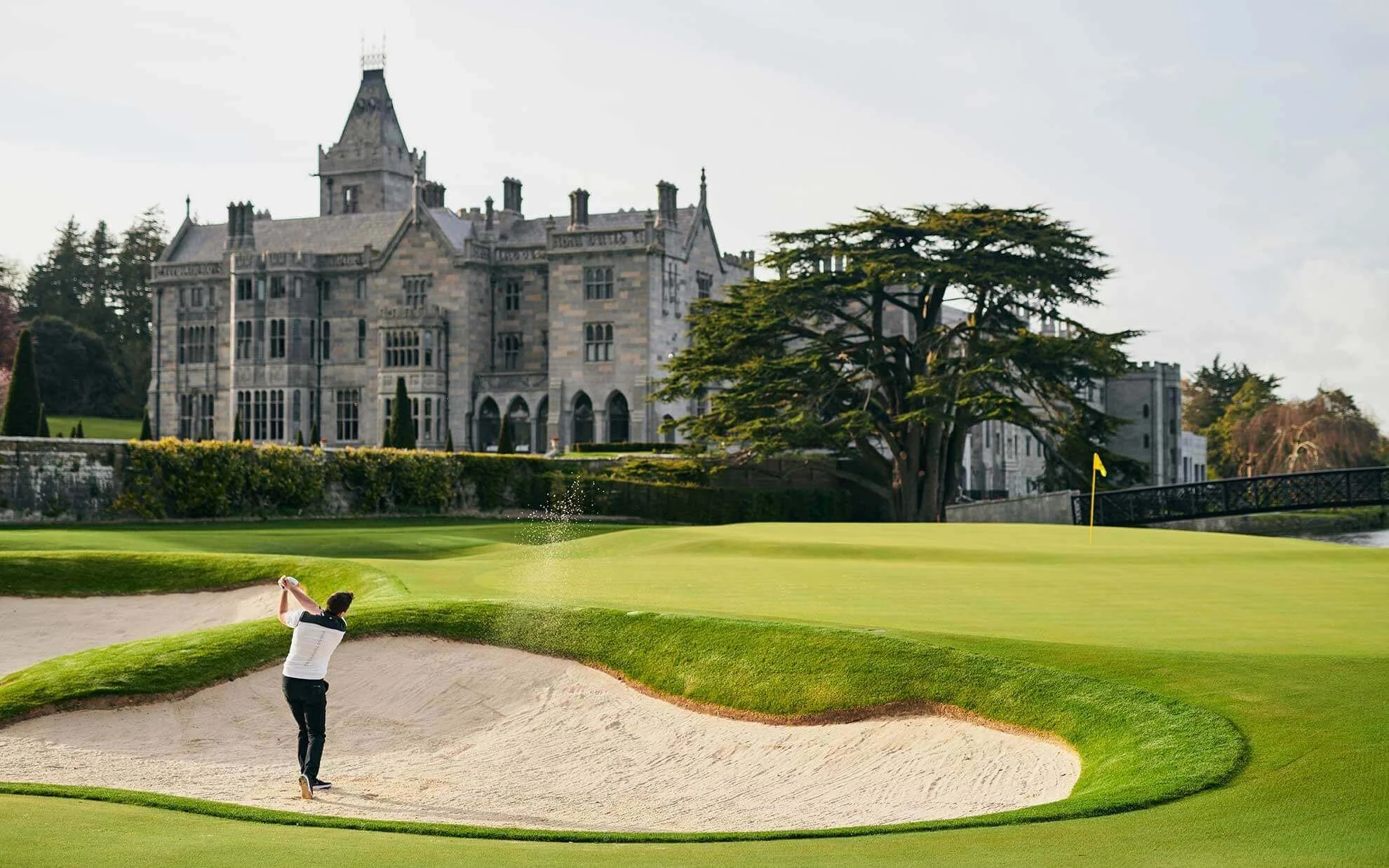
81) Royal Portrush (Valley)
82) Prince’s (Dunes & Himalayas)
83) Machrihanish Dunes
84) Parkstone
85) Queenwood
86) The Berkshire (Blue)
87) Worplesdon
88) West Hill
89) Broadstone
90) Aberdovey
Rankings 81-90)
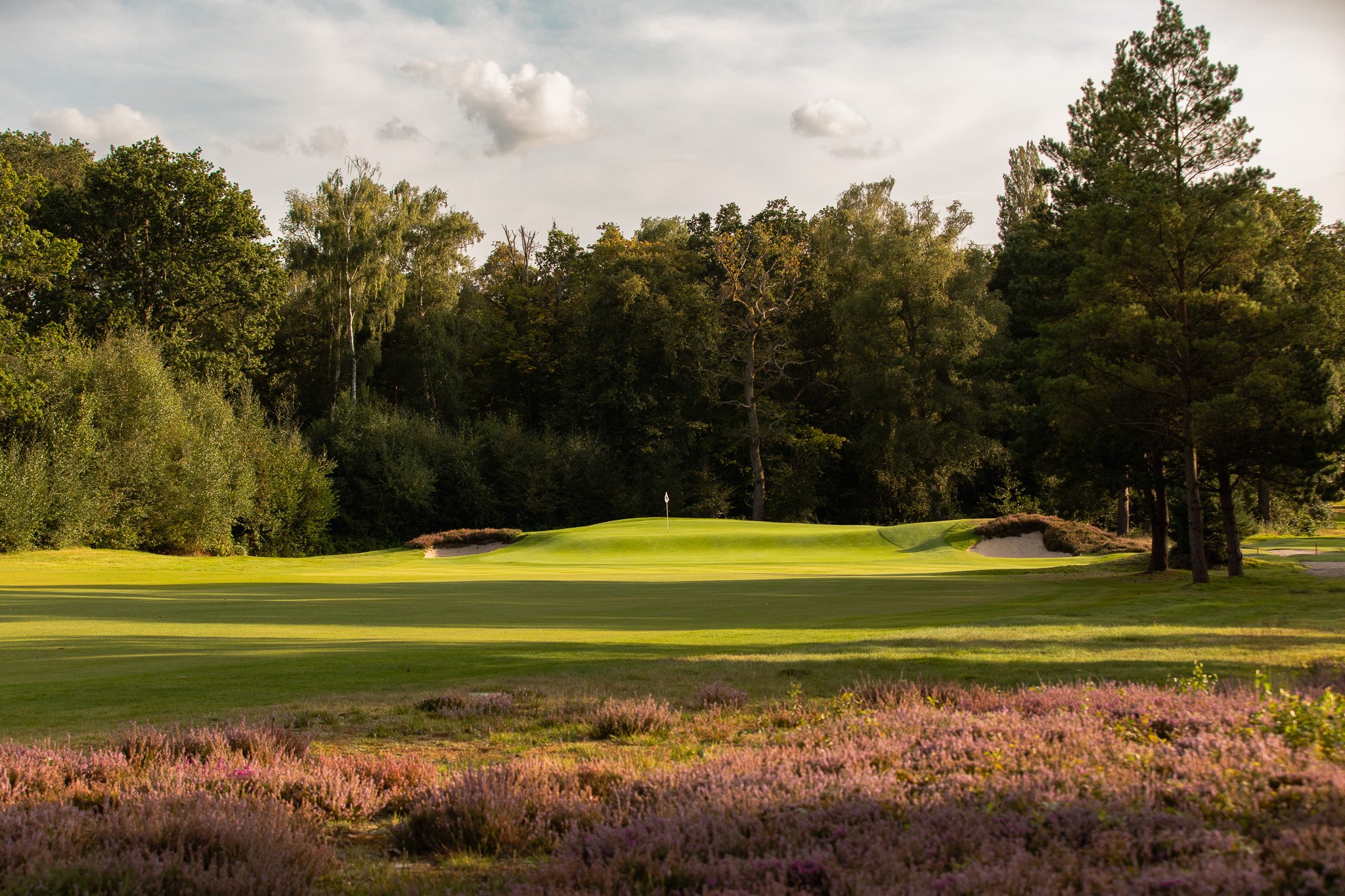
Rankings 91-100)
91) Moortown
92) Wallasey
93) Castletown
94) Walton Heath (New)
95) Southport and Ainsdale
96) Aldeburgh
97) Hayling
98) Royal Ashdown Forest
99) Hindhead
100) Beau Desert